
Guide
Deciding What's Worth Fixing on an Older Greenwood Village Door
Most Greenwood Village homes date to the 1980s, and cold-climate wear on original hardware means some doors are worth fixing and some aren't. Here's how to tell.
Local detail
Doing Nothing For Now
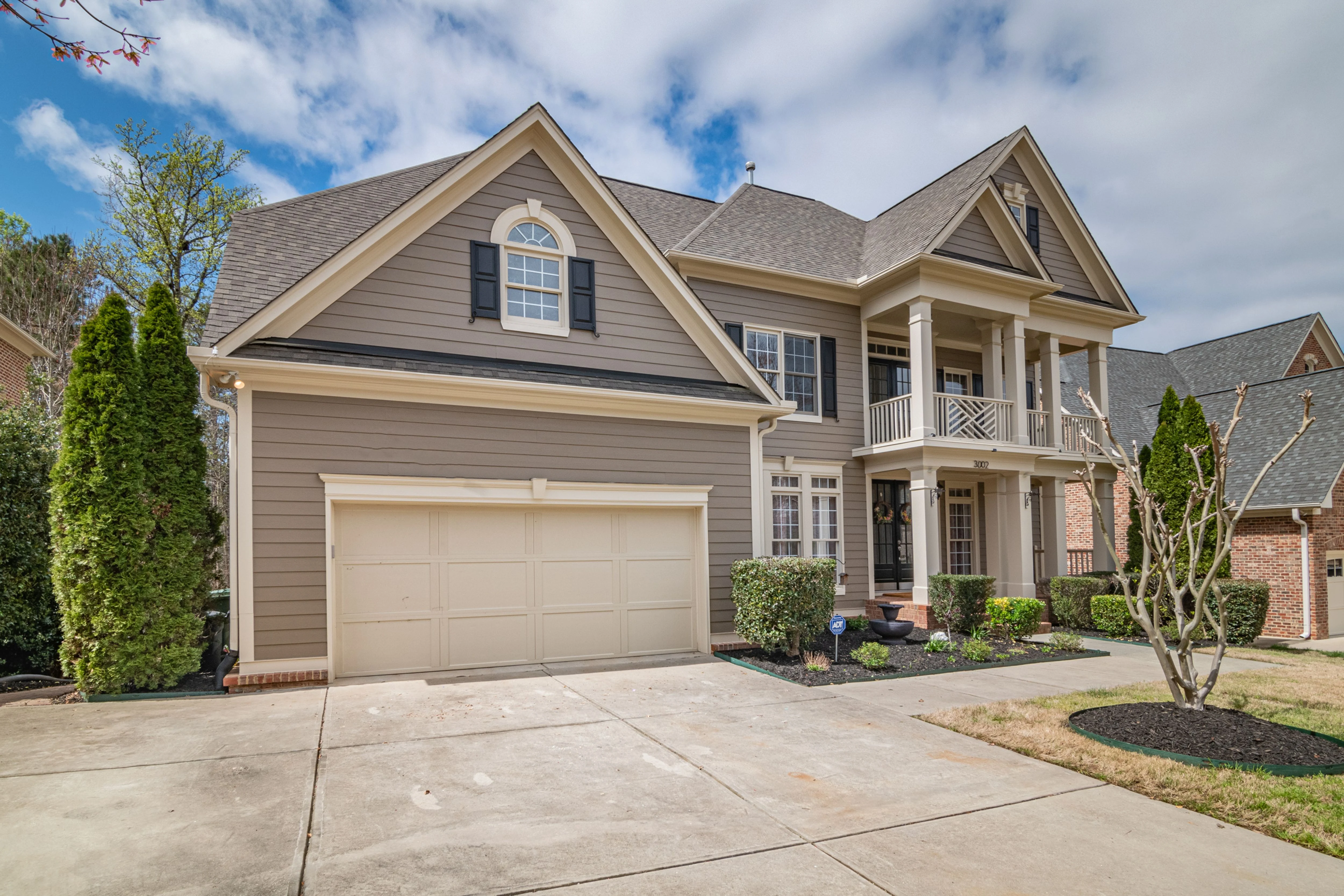
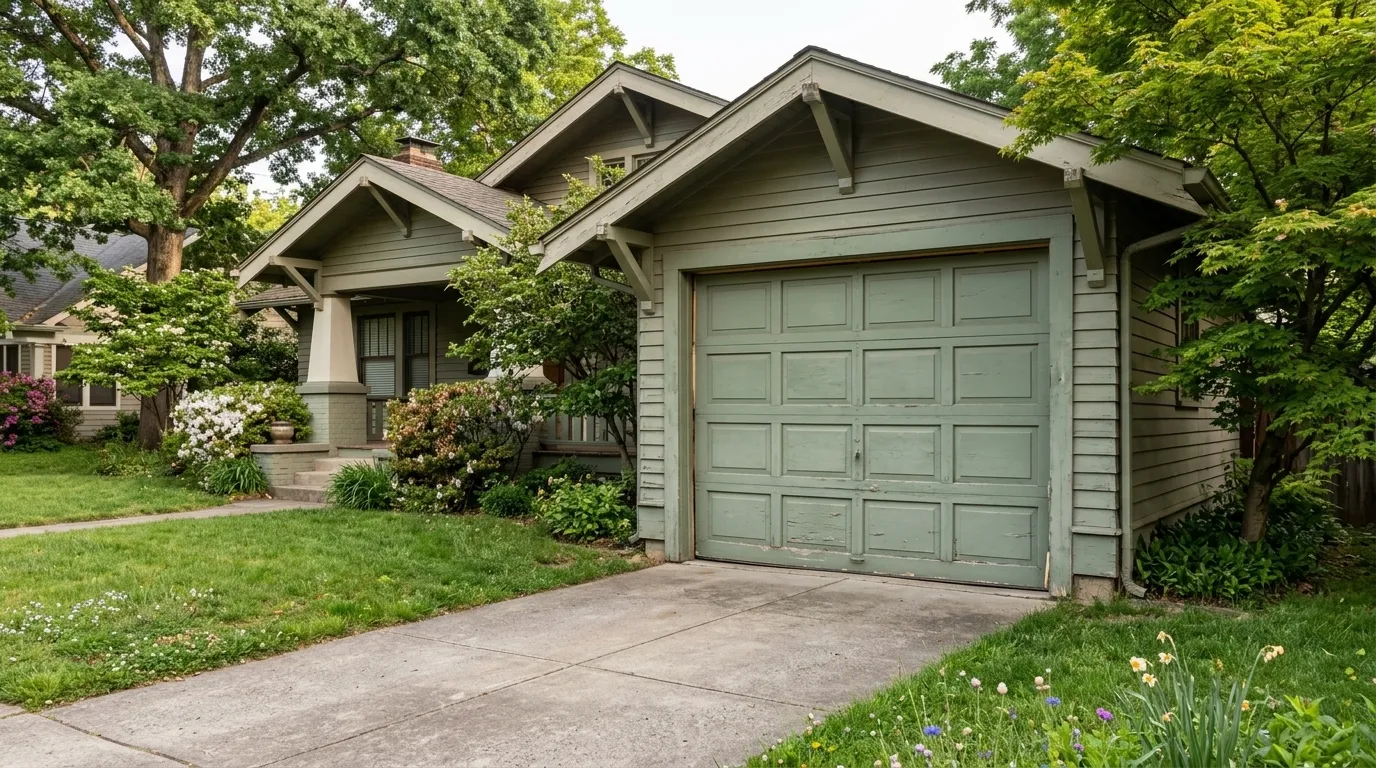
If your door is opening and closing without grinding, jumping, or hanging up halfway, you can leave it alone for now. A lot of the housing stock in this area went up between 1938 and 2005, with most of it concentrated in the 1980s and 90s, which means a huge share of doors in Greenwood Village are pushing 30 to 45 years old. Age alone isn't a reason to replace anything. Springs, rollers, and openers from that era were built with heavier steel and simpler electronics than what gets sold today, and a lot of that gear still runs fine if it's been maintained.
What you shouldn't ignore is a door that's started making a new noise in the last month or two, or one where the opener strains before it lifts. Those are early signs, not emergencies, but they're worth a phone call rather than a shrug. With median household income in the service area around $138,303 and a housing stock this consistent in age, we see a lot of the same wear pattern house to house: original torsion springs finally giving out, or weather-stripping that's cracked from decades of temperature swings. Doing nothing is fine until one of those signs shows up.
The area
When to Get Help
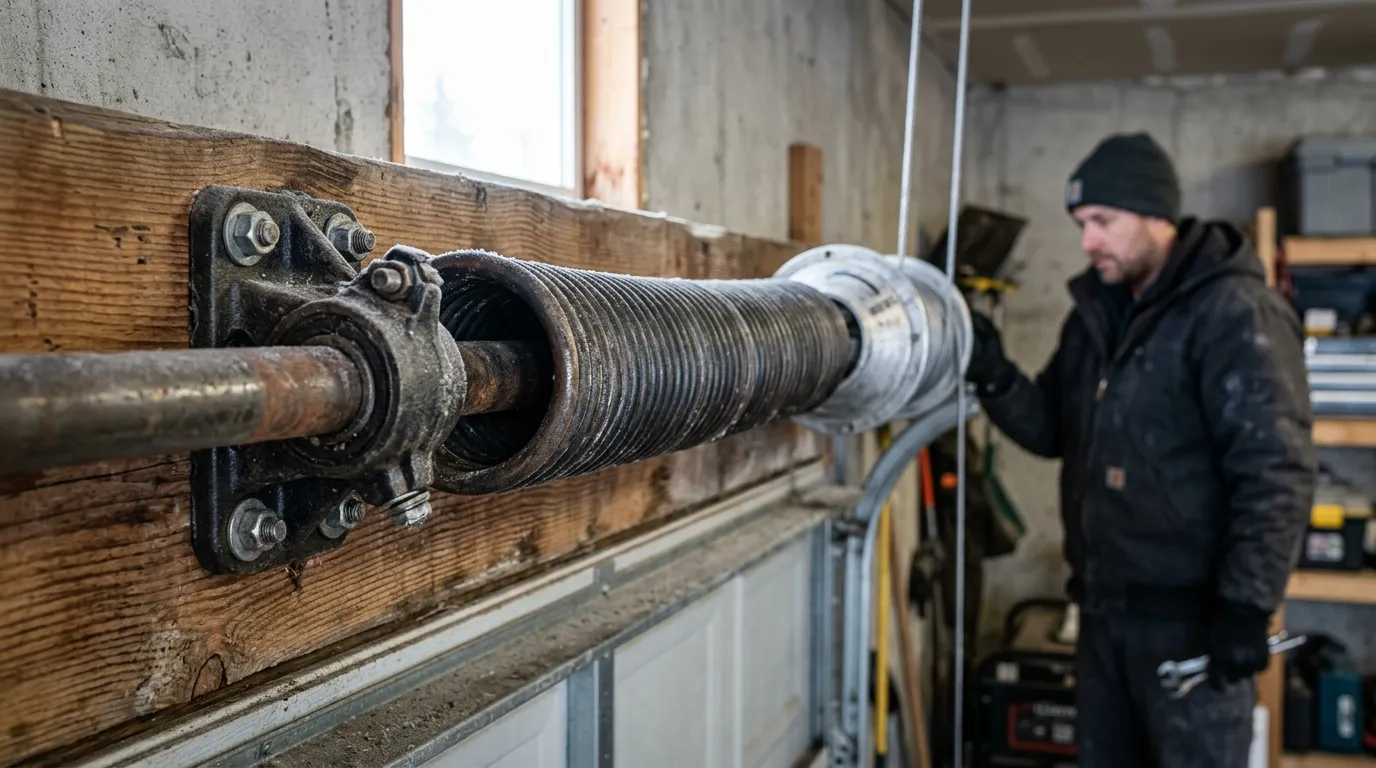
Call before the door fails completely, not after. A spring that's visibly stretched, gapped, or rusted through is close to snapping, and a door that drops fast or won't stay up on its own is already a safety issue, not a maintenance item. If you're hearing metal-on-metal grinding from the track, or the opener reverses for no reason, that's usually a sign the hardware is past adjusting and into replacing.
Given how much of the housing here dates to the 1980s median build year, a lot of these calls involve original torsion hardware that's simply reached the end of its service life, not damage from one bad incident. That's a different conversation than a door that got hit by a car or knocked off track. One thing we're upfront about: if a door is original to a house built in the 1938-2005 range and the springs, cables, and rollers are all wearing out at once, patching one part at a time usually costs more over a year than doing the job right the first time. We'll tell you when that's the case instead of running the meter on repeated visits.
What we find
The Problem
The core issue for older doors in this area isn't one dramatic failure, it's compounding wear across a system that was designed to work as a set. A house built in 1980, which is right at the median for the area, likely has original torsion springs and probably an opener from a later retrofit. Those two things aging at different rates is exactly what causes the intermittent problems people call about: a door that works most days but binds or strains occasionally.
Across the 28 named areas that make up this side of Denver, from Denver Tech Center a mile out to University Hills a few miles northwest, the housing age is consistent enough that we see the same failure patterns repeat: worn rollers riding in tracks that were never replaced, cables fraying where they wrap the drum, and springs that were sized for a lighter door than what's currently hanging on them after a past panel swap. None of that is unique to any one house. It's what happens across tens of thousands of owner-occupied homes built in the same twenty-year window, all aging on the same clock.
How we work
What the Weather Here Does to It
This area sits in a severe cold climate band, and that matters more for garage doors than most people expect. Steel contracts in cold and expands in heat, and a door that cycles through hard freezes and warm afternoons all winter is putting stress on weather seals, hinges, and spring tension that a door in a milder climate never sees. Weather-stripping on a lot of the older stock here has gone brittle and cracked well before the door itself is due for replacement, letting cold air and moisture into the garage.
Cold also thickens grease and lubricant on rollers and hinges, which is part of why doors that ran smoothly in October start groaning by January. On a house built decades ago with original hardware, that seasonal stiffening is often the first sign something needs attention before a spring actually breaks. We can't control how a given winter behaves, but we can tell you that in a climate this cold, skipping annual lubrication on an older door is one of the more common reasons a fixable problem turns into a full spring failure at the worst possible time.
Questions
Common questions
Is it worth fixing a garage door on a house built in the 1980s?
Usually yes, if the failure is isolated. Springs, rollers, and openers from that era were built solid, and replacing one worn part on an otherwise sound door is almost always cheaper than a full replacement. It's when multiple parts are failing at once, which happens more as original hardware reaches the end of its life, that replacement starts making more financial sense.
Why does my door get stiff every winter?
Cold thickens the lubricant on rollers and hinges, and steel components contract slightly in low temperatures. In a severe cold climate like this one, that stiffness is normal in the first cold snap but shouldn't persist. If it does, or gets worse through the season, the hardware likely needs lubrication or adjustment, not just time to warm up.
How do I know if my springs are original to the house?
If your house was built anywhere in the 1938-2005 range typical of this area and you haven't had a spring replacement done, there's a good chance they're original or close to it. Visible rust, gaps between coils, or one spring sitting noticeably lower than the other are signs they're near the end of their run.
Ready when you are
Need a garage door sorted in Greenwood Village?
Greenwood Village Garage Door Pros repairs and installs garage doors, springs and openers in Greenwood Village, CO and the surrounding area.