
Guide
What That Noise From Your Garage Door Is Actually Telling You
Greenwood Village houses from 1938-2005 and cold-climate springs make specific noises before they fail - here's what each sound means and when it's worth a call
Local detail
Doing Nothing For Now
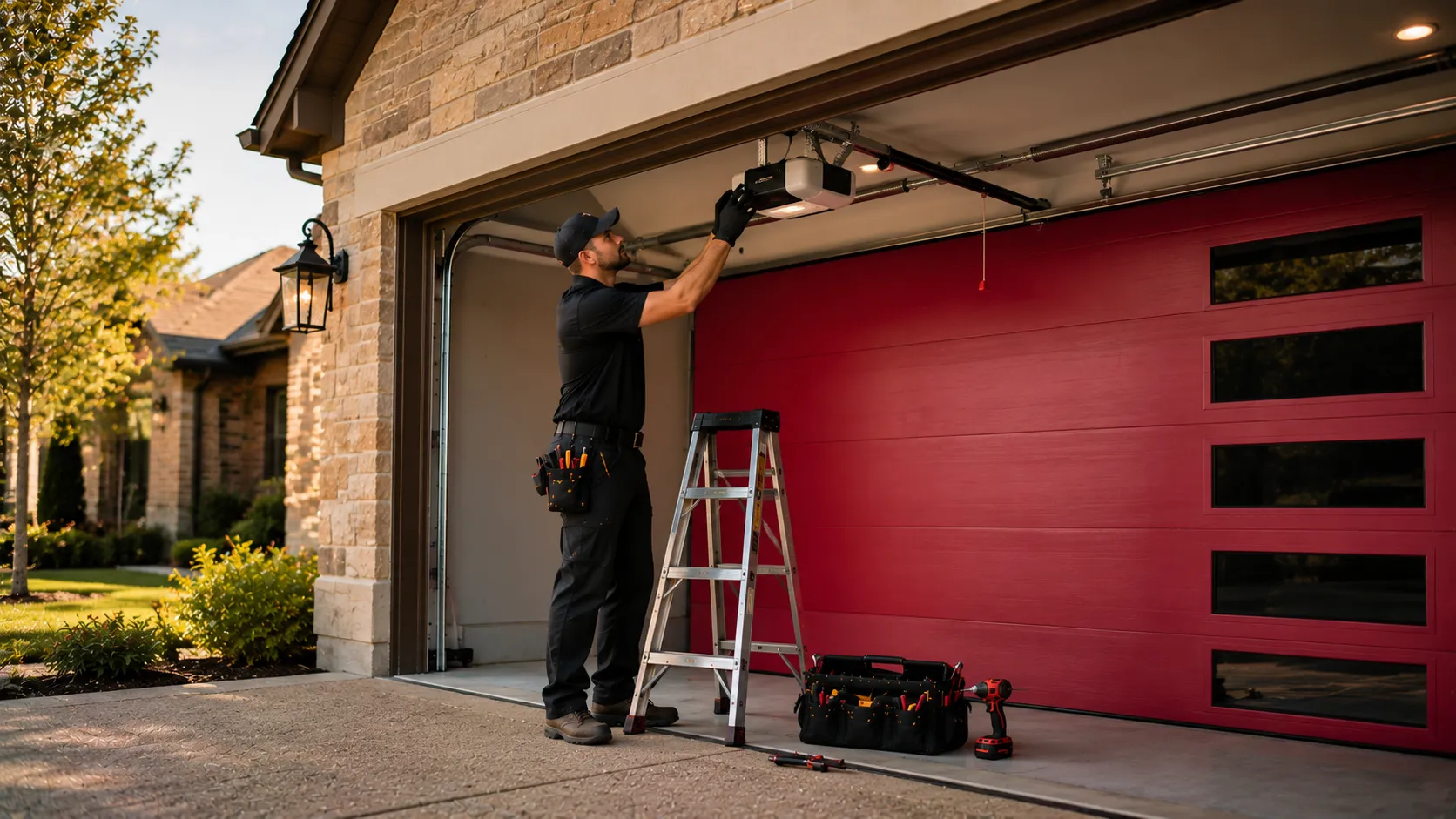
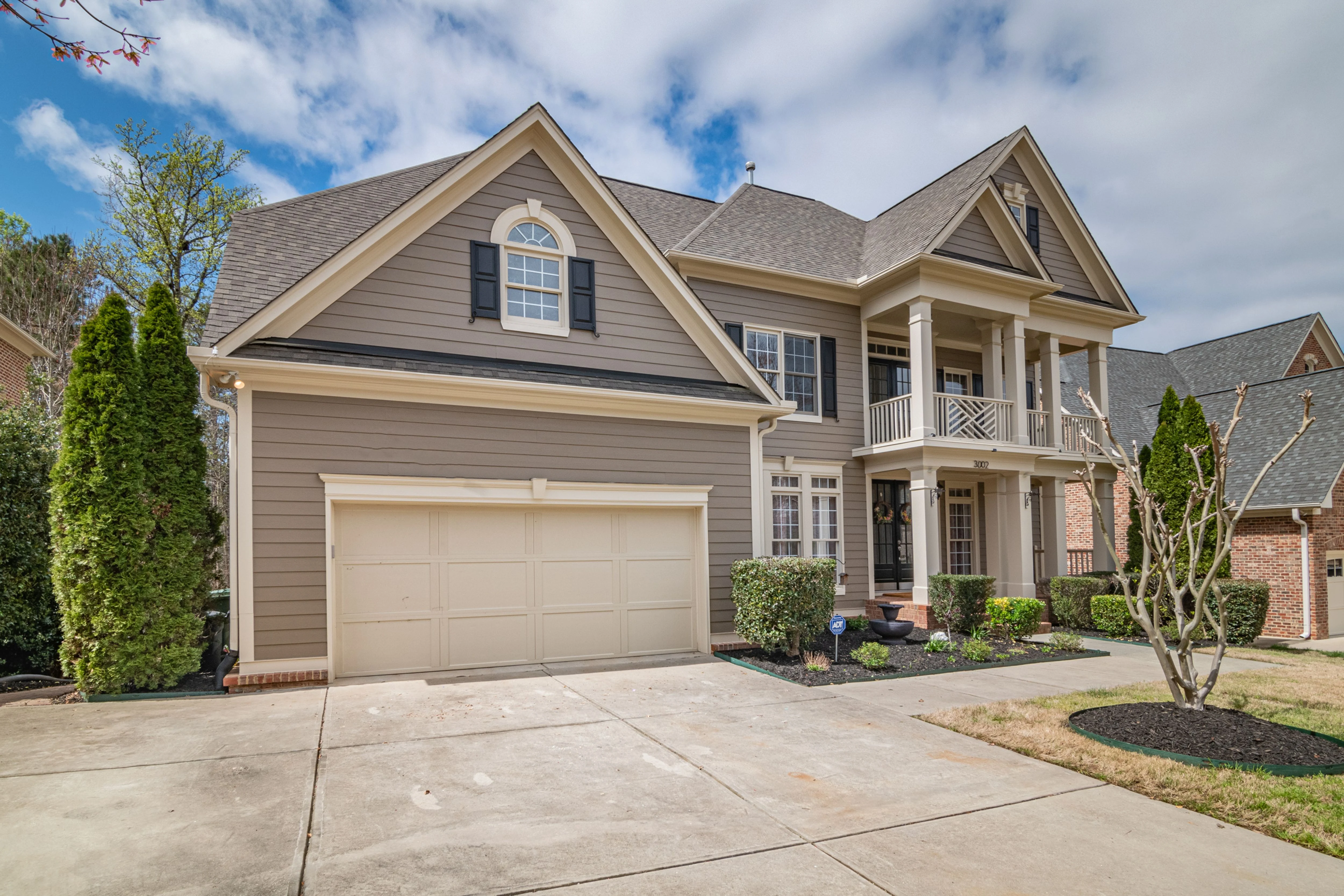
A lot of the houses around here went up in the 1980s and 90s, with the oldest stock dating back to 1938 and the newest to 2005. That spread matters, because it means most doors in this area are running on hardware that's had decades to settle - and settling makes noise that doesn't always mean trouble.
A light squeak on the way up, especially first thing in the morning, is usually just dry rollers or a hinge that needs a drop of lubricant. If the door still opens smoothly, closes flush, and the noise doesn't change week to week, you can leave it alone and just grease the rollers, hinges, and the top of the torsion spring. That's a five-minute job with a can of white lithium grease, not a service call.
Where I'd push back on doing nothing: if the squeak has gotten louder over a month, or you notice it right after a cold snap, that's not the same problem. A house from the 1938-2005 window has had time for the spring steel to fatigue, and a noise that's changing is a noise that's telling you something is wearing, not just dry.
The area
When to Get Help
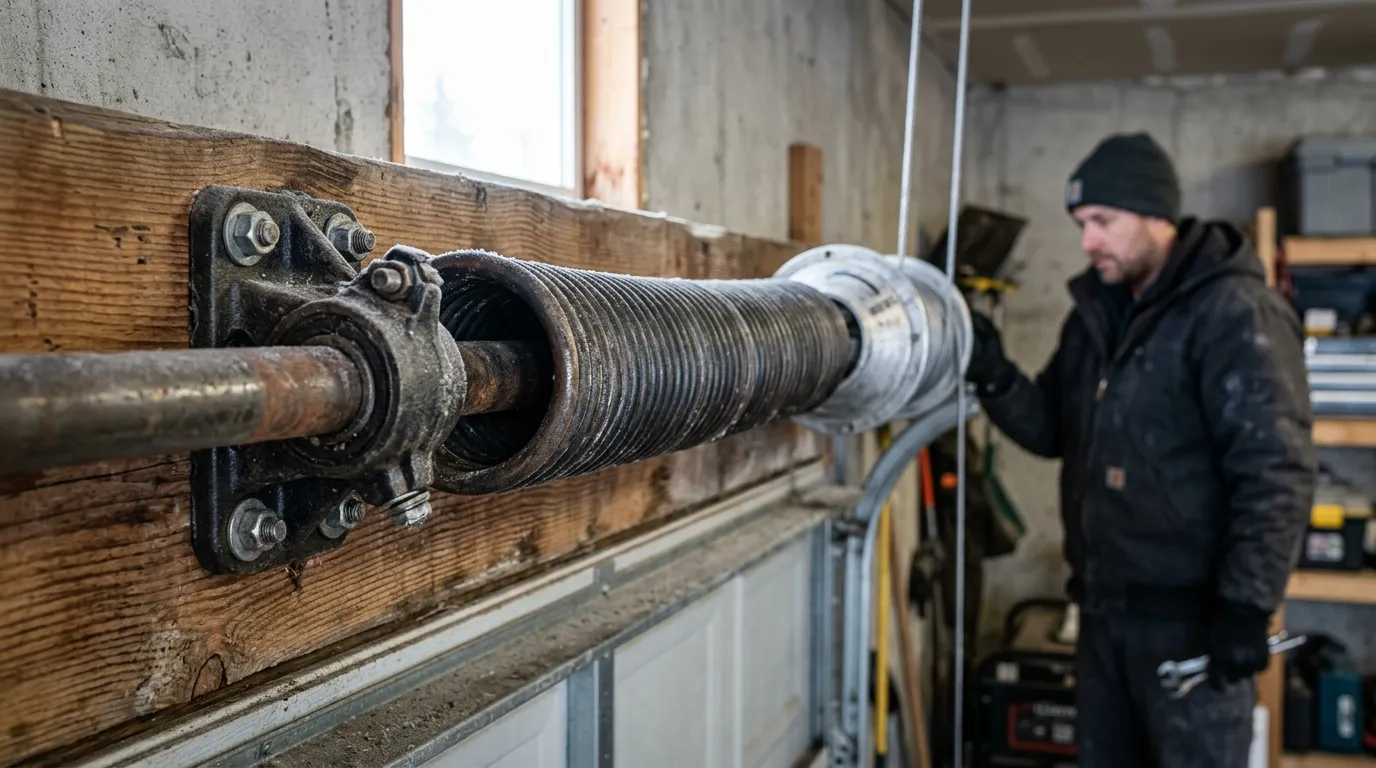
Some sounds mean stop using the door and make the call. A loud bang or pop, especially from the spring area above the door, usually means a torsion spring has let go - those store a lot of tension and a broken one is not a wait-and-see repair. Grinding or scraping metal-on-metal, especially near the rollers or the top of the track, means something is binding and forcing the opener to work harder than it should.
A rhythmic thump that gets worse each cycle, or a door that visibly tilts to one side as it moves, points to a cable that's fraying or a spring on one side that's weaker than the other. In a house built any time in the 1938-2005 range, that uneven wear is common because one spring was never replaced when the other was.
I'll be straight about the limit here: if you hear grinding or a bang, don't keep opening the door to test it. A door under spring tension with a compromised cable can drop, and that's not a repair you want to be standing under when it happens.
What we find
The Problem
Most of the housing across this service area - the 60,666 households and 33,238 owner-occupied houses spread through the named neighborhoods from Denver Tech Center out to Cherry Hills Village and Cherry Creek - was built between 1938 and 2005, with the bulk going up in the 1980s and 90s. That's the core of what drives the noise calls: a torsion spring or an opener chain drive doesn't fail on a schedule, it fails after enough cycles, and a house from that era has had 20 to 40 years of cycles on the original hardware.
At a median household income of $138,303, most owners here can afford to replace a spring or an opener outright rather than nurse it along, but plenty wait anyway, because the door still "works." The noise is usually the first sign, months before the failure. A grinding chain drive, a spring that groans instead of turning quietly, a track that pops instead of sliding - these are the sounds of hardware that's near the end of its rated life, not random defects.
The honest limitation: I can't tell you from a description alone whether it's the spring, the opener gear, or the track without seeing it. Noise narrows it down. It doesn't diagnose it.
How we work
What the Weather Here Does to It
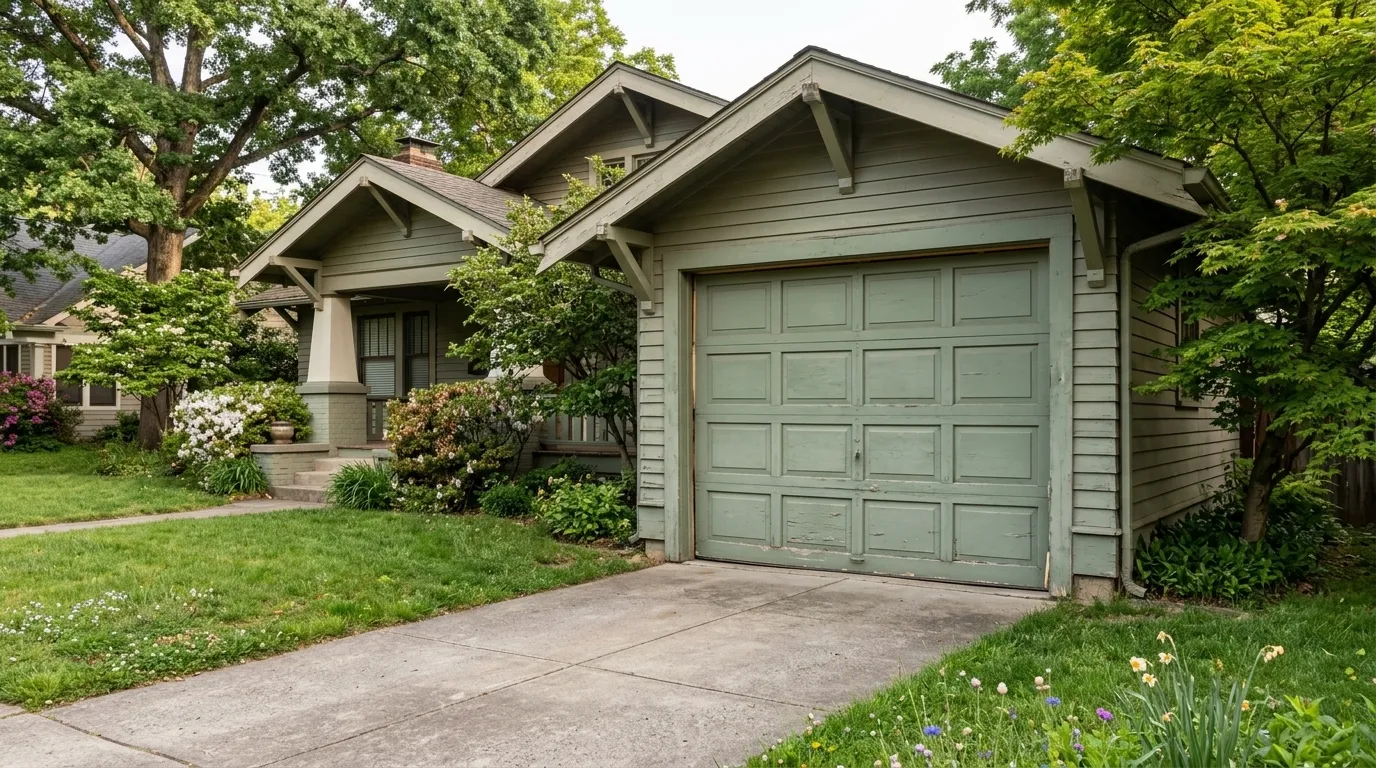
This area sits in a climate band classified as severe cold, and that shows up directly in the noises a door makes. Steel contracts in cold temperatures, and a torsion spring that's already fatigued from years of cycling contracts unevenly - that's often where you get a new creak or a pop that wasn't there in warmer months. Grease also thickens in the cold, so rollers and hinges that were fine in summer start to squeal in winter simply because the lubricant isn't flowing the way it should.
Cables and the track itself expand and contract with temperature swings too, and in a house from the 1938-2005 stock, decades of that cycling loosens fasteners and track alignment a little at a time. A door that suddenly rattles on windy, cold days is often just a track bracket that's worked loose from years of thermal movement, not a new problem on its own.
Worth knowing: winter is when marginal hardware finally announces itself. If a spring or cable was close to the end of its life, the cold is usually what pushes it over, and that's why noise complaints climb when temperatures drop.
Questions
Common questions
My garage door squeaks every morning but works fine - do I need a repair?
Not necessarily. A lot of houses in this area have original rollers and hinges from construction back in the 1938-2005 window, and dry hardware squeaks before it fails. Lubricate the rollers, hinges, and spring, and watch whether the noise changes over the next few weeks. If it stays the same, you're fine for now.
Why does my door make more noise in winter than summer?
This area sits in a severe cold climate band, and cold thickens lubricant and contracts steel unevenly, especially in a spring that's already fatigued from years of cycling. Doors that are quiet all summer often start creaking or popping once temperatures drop, which is usually the cold exposing wear that was already there.
Is a loud bang from the garage always a broken spring?
It's the most common cause, especially in houses from the 1938-2005 building stock where original torsion springs are reaching or past their cycle life. A bang from the area above the door, followed by the door feeling heavy or not opening at all, points strongly to a broken spring. Don't force the door - call it in.
How do I know if it's the opener or the spring making the grinding noise?
If the door is hard to lift by hand with the opener disconnected, it's likely the spring. If it lifts easily by hand but the opener grinds when running, the problem is usually the opener's gear or chain drive. Either one is common in hardware that's had decades of cycles in this housing stock.
Ready when you are
Need a garage door sorted in Greenwood Village?
Greenwood Village Garage Door Pros repairs and installs garage doors, springs and openers in Greenwood Village, CO and the surrounding area.