
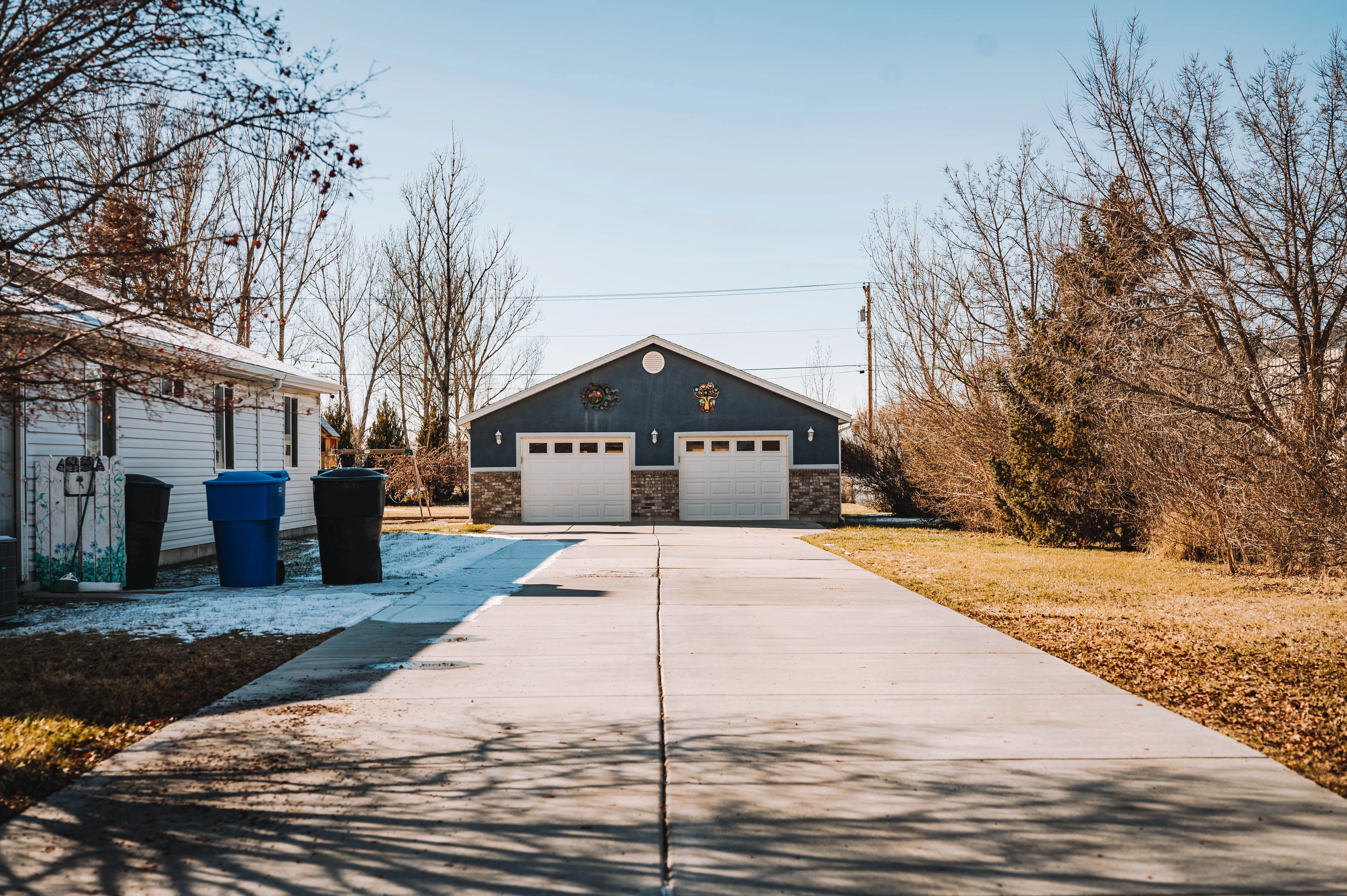
Castle Pines Village, Greenwood Village CO
Garage Door Service for Castle Pines Village
Castle Pines Village homes mostly went up after 2001, later than most of Greenwood Village's coverage area. We travel the 12 miles out for openers, springs, and panel repair on that newer stock.
Local detail
How Soon We Can Come Out
We're based in Greenwood Village, about 12 miles from Castle Pines Village, so we build that drive into the schedule rather than pretend we're around the corner. We don't keep a truck stationed out here and we won't tell you otherwise. What we can tell you is that we route calls from this side of the metro together when the day allows it, so a spring failure or a stuck opener doesn't sit on the board waiting for a slow afternoon.
If your door won't open at all and the car's trapped inside, say so when you call - that changes how we sequence the day. If it's a noisy roller or a slow opener, that can usually wait for a scheduled slot without any real risk to the door or the house.
We're honest that a same-day slot isn't something we can promise sight unseen. Denver traffic on I-25 and the roads down through Douglas County vary enough that we'd rather give you a real window than a number that sounds good on the phone.
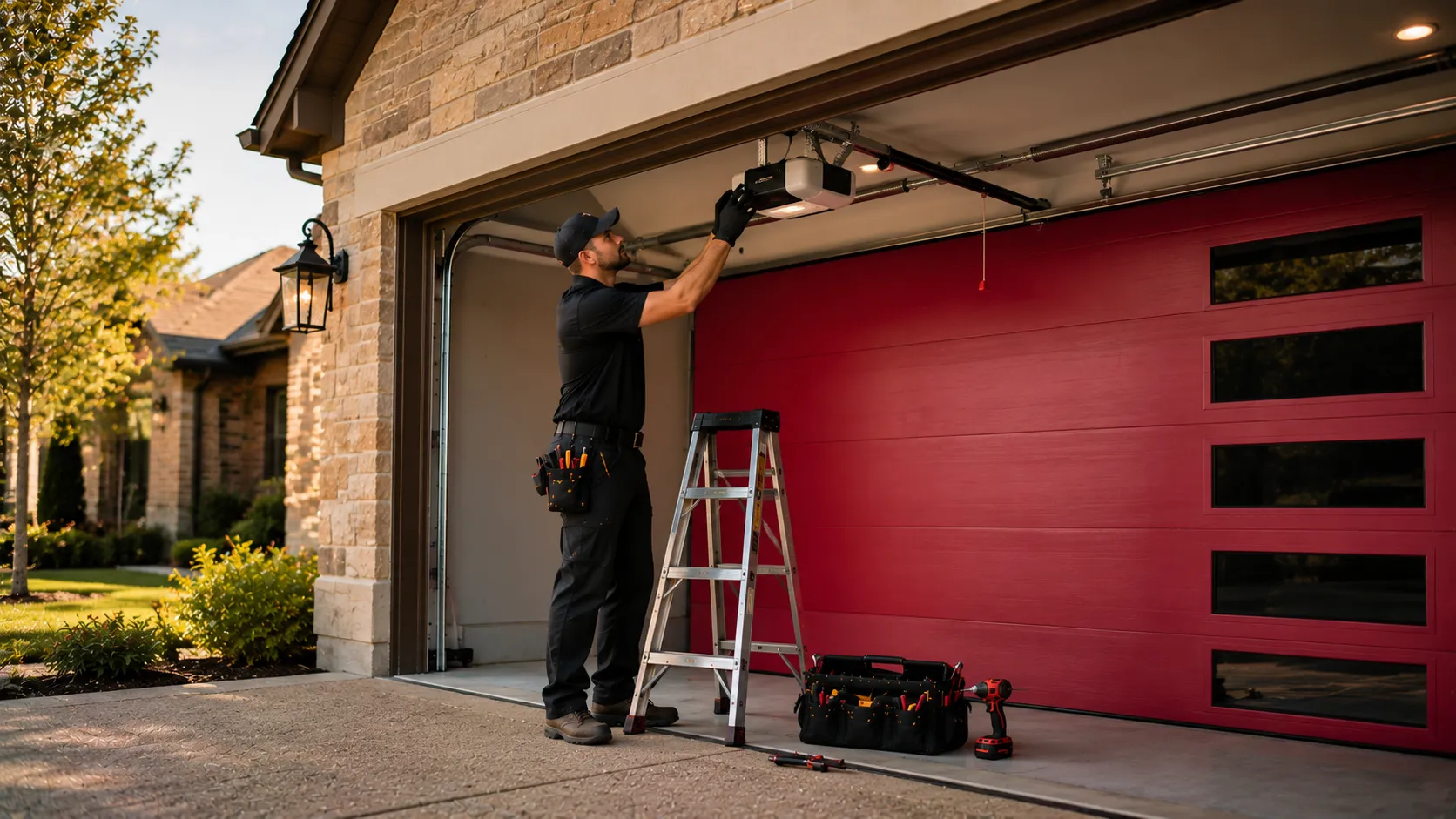
The area
The Houses Here
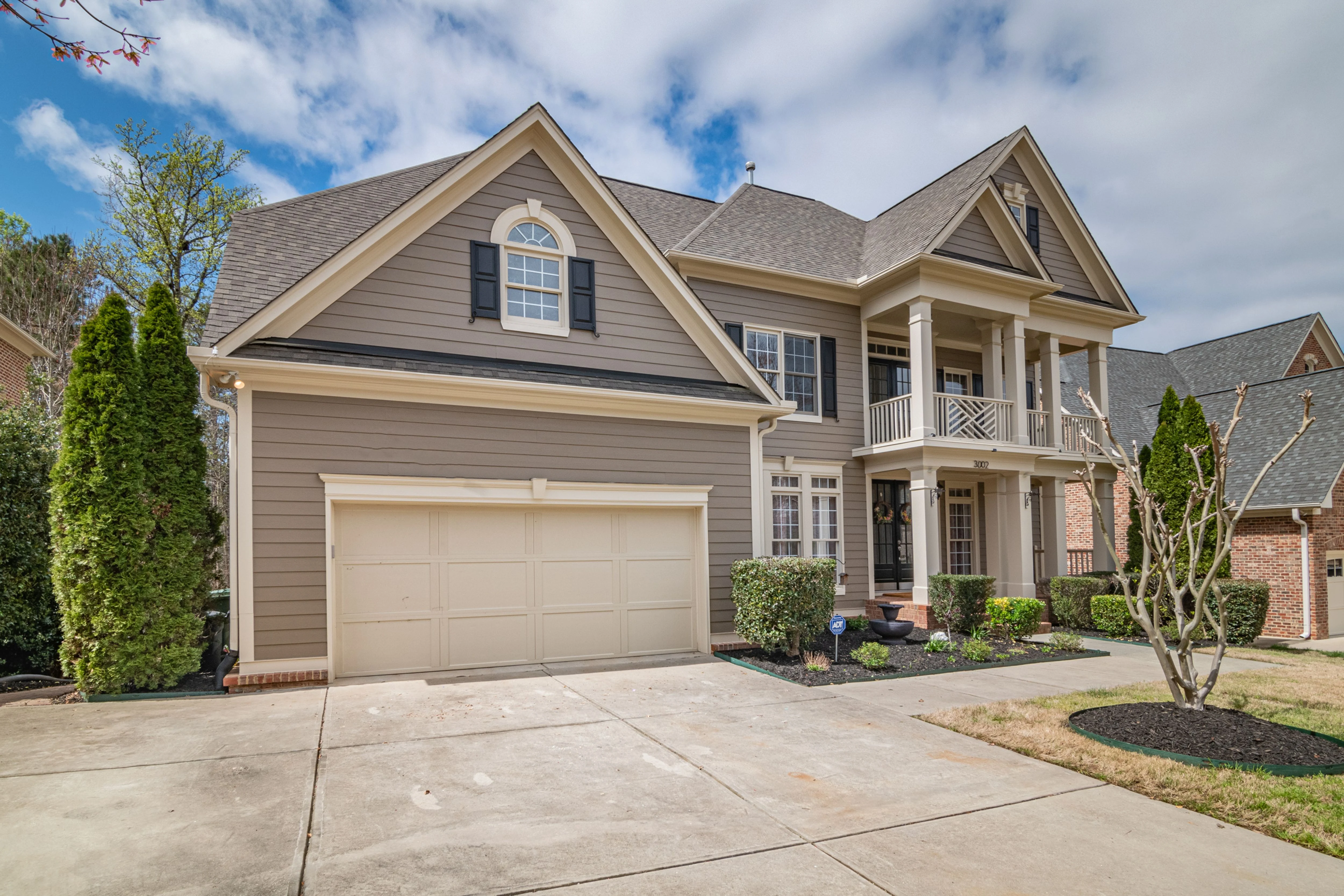
This is one of the newer pockets we cover. The median build year in Castle Pines Village runs around 2001, a couple of decades later than the 1980 median across the rest of our service area, and well past the older 1938-era stock you'll find closer to the city core. That gap matters more than it sounds like it should.
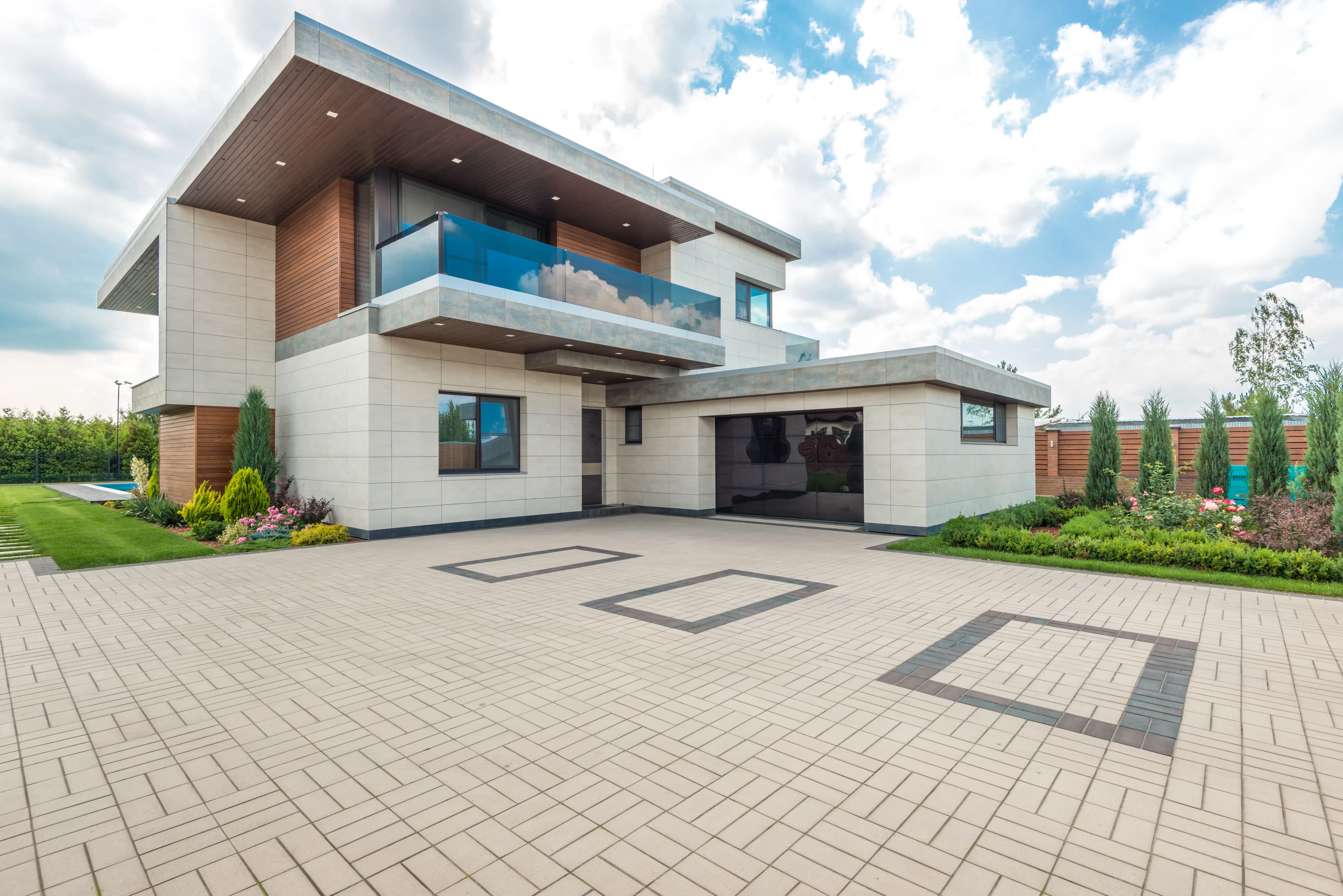
With about 1,671 households and a median income near $219,083, this is also one of the higher-end areas we reach - noticeably above the $138,303 median across the wider coverage area. That combination, newer construction plus higher household income, tends to mean insulated steel or composite doors installed with the house rather than swapped in later, and openers that were mid-tier to high-end when new rather than the base builder-grade units common in older subdivisions.
We don't have a landmark-by-landmark breakdown of subdivisions inside Castle Pines Village, so we're not going to invent one. What we do know is the build era, and that's the number that actually predicts what's behind your door panel.
What we find
What the Housing Means for Your Door
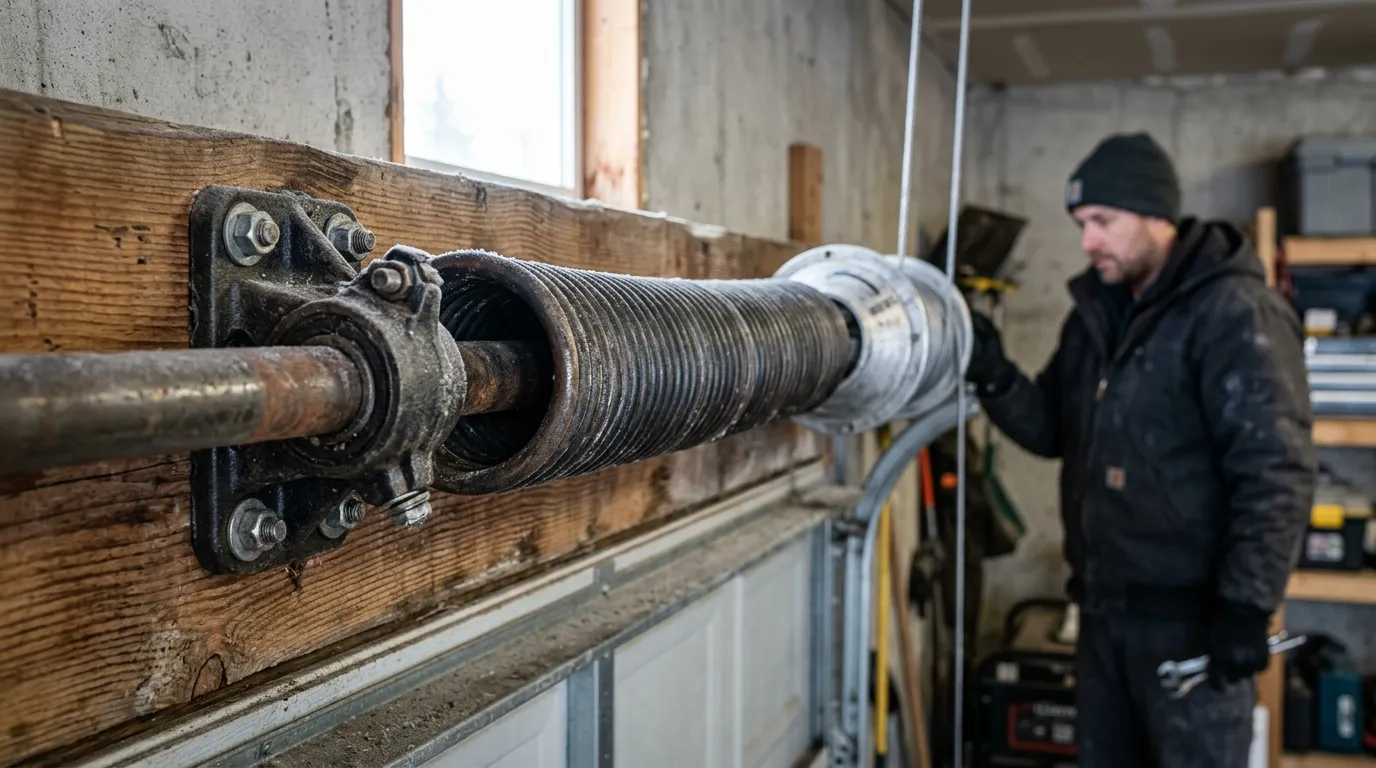
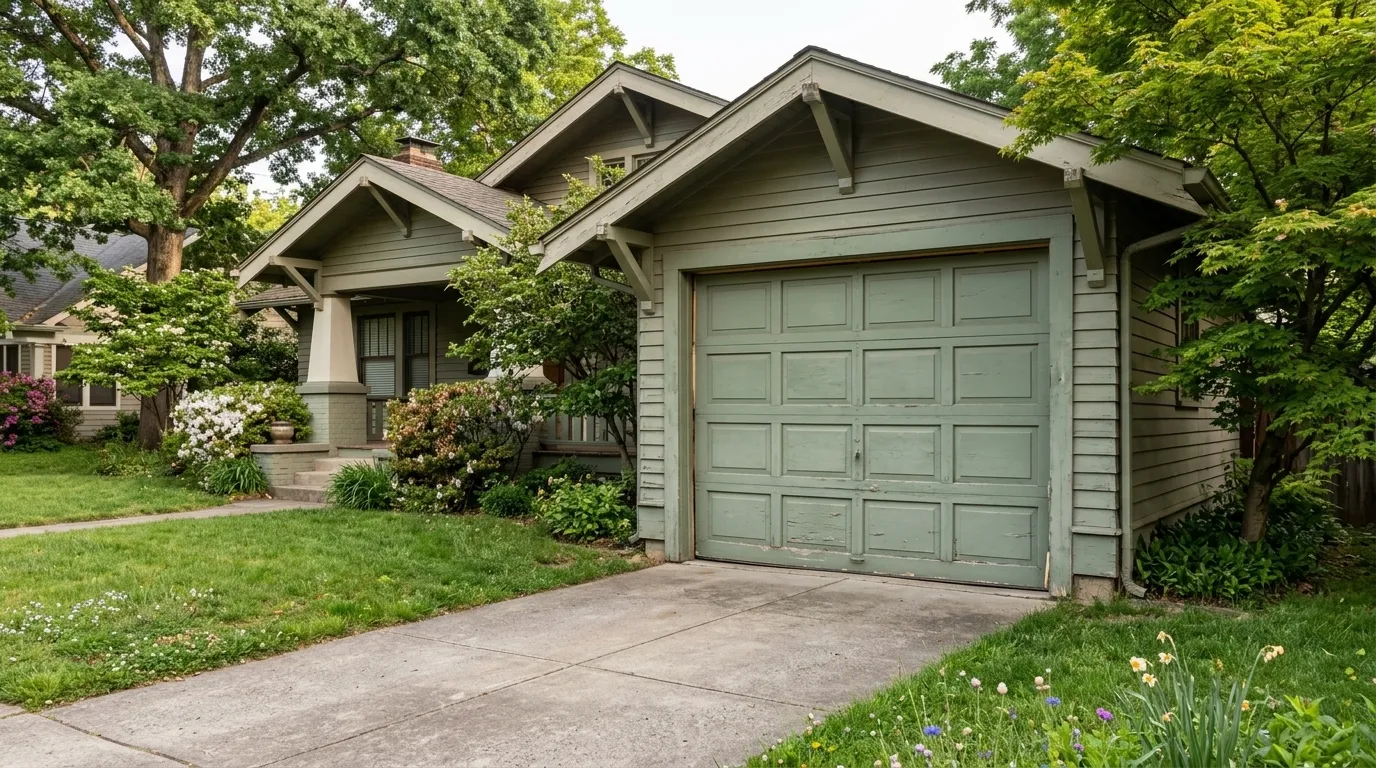
A door installed around 2001 is old enough to be tired but young enough that the hardware is still recognizable - torsion springs on a standard shaft, steel rail track, and an opener that likely has a working photo-eye safety sensor rather than the pre-sensor units we sometimes find on 1970s and 80s garages elsewhere in the coverage area. The failure pattern here tends to be spring fatigue and worn opener drive components rather than the frozen, rusted-solid hardware you get on 1950s one-piece doors.
Colorado's winters are still the deciding factor no matter the build year - this whole region sits in a severe cold climate band, and torsion springs lose tension faster through repeated cold-to-warm cycling than they do from age alone. On a 2001-era door that's had 20-plus winters of that cycling, a spring that looks fine in July can snap in a January cold snap.
One honest limit: if your opener is an original circuit-board unit from that build era, parts for the logic board itself are often no longer made, and replacement of the whole opener is usually cheaper and faster than chasing a board repair.
How we work
The Calls We Get From Here
From this part of our coverage area, the calls skew toward broken torsion springs, opener motor failure, and misaligned photo-eye sensors that trip the auto-reverse and won't let the door close - all consistent with a door that's roughly two decades old rather than four. We see fewer of the rusted-track and rotted-panel calls that come out of the older 1930s-to-50s neighborhoods closer to central Denver.
We also get more requests here for quieter belt-drive opener upgrades, which tracks with the income profile of the area - homeowners replacing a working but noisy chain-drive unit rather than waiting for it to fail outright.
What we don't get many of: warped wood panel repairs. Wood panel doors are more common on the older housing stock elsewhere in our coverage; a 2001-era build is far more likely to be steel or composite, which doesn't warp the same way in Colorado's dry cold.
 40 areas covered
Service areas
Other areas we cover near Castle Pines Village
Questions
Common questions
How far out is Castle Pines Village from your Greenwood Village location?
It's about 12 miles. We don't keep a crew or truck stationed in Castle Pines Village itself, so travel time from Greenwood Village is part of any scheduling estimate we give you over the phone.
Are garage doors in Castle Pines Village older or newer than the rest of your service area?
Newer, on average. The median build year here runs around 2001, versus a 1980 median across the wider coverage area, which pulls in a lot of 1950s-70s construction closer to central Denver.
Do you stock parts for openers from the early 2000s?
For mechanical parts like drive gears, belts, and sensors, usually yes. For an original circuit board from that era, often not - those get discontinued, and replacing the whole opener is typically the faster, cheaper path.
Does Colorado's cold actually affect a newer garage door?
Yes. Spring fatigue from repeated cold-to-warm cycling doesn't care how new the door is. A 2001-era torsion spring that's been through 20-plus Colorado winters is a normal candidate for sudden failure, cold snap or not.
Ready when you are
Need a garage door sorted in Greenwood Village?
Greenwood Village Garage Door Pros repairs and installs garage doors, springs and openers in Greenwood Village, CO and the surrounding area.