
Guide
What Your Greenwood Village Garage Door Is Actually Dealing With
Most Greenwood Village houses date to the 1980s-90s boom, built to older insulation standards. Here's what that means for your door before winter cold sets in.
Local detail
Doing Nothing For Now
If your door still opens and closes without groaning, and the panel isn't dented past the point of tracking straight, you can leave it alone for now. That's a real option here, not a cop-out. A lot of Greenwood Village houses were built in the 1980s and 90s, and the doors that came with them were built to a standard that assumed less insulation than what goes into a door today. If yours still seals reasonably at the bottom and the spring isn't visibly stretched or gapped, waiting costs you nothing but a little efficiency.
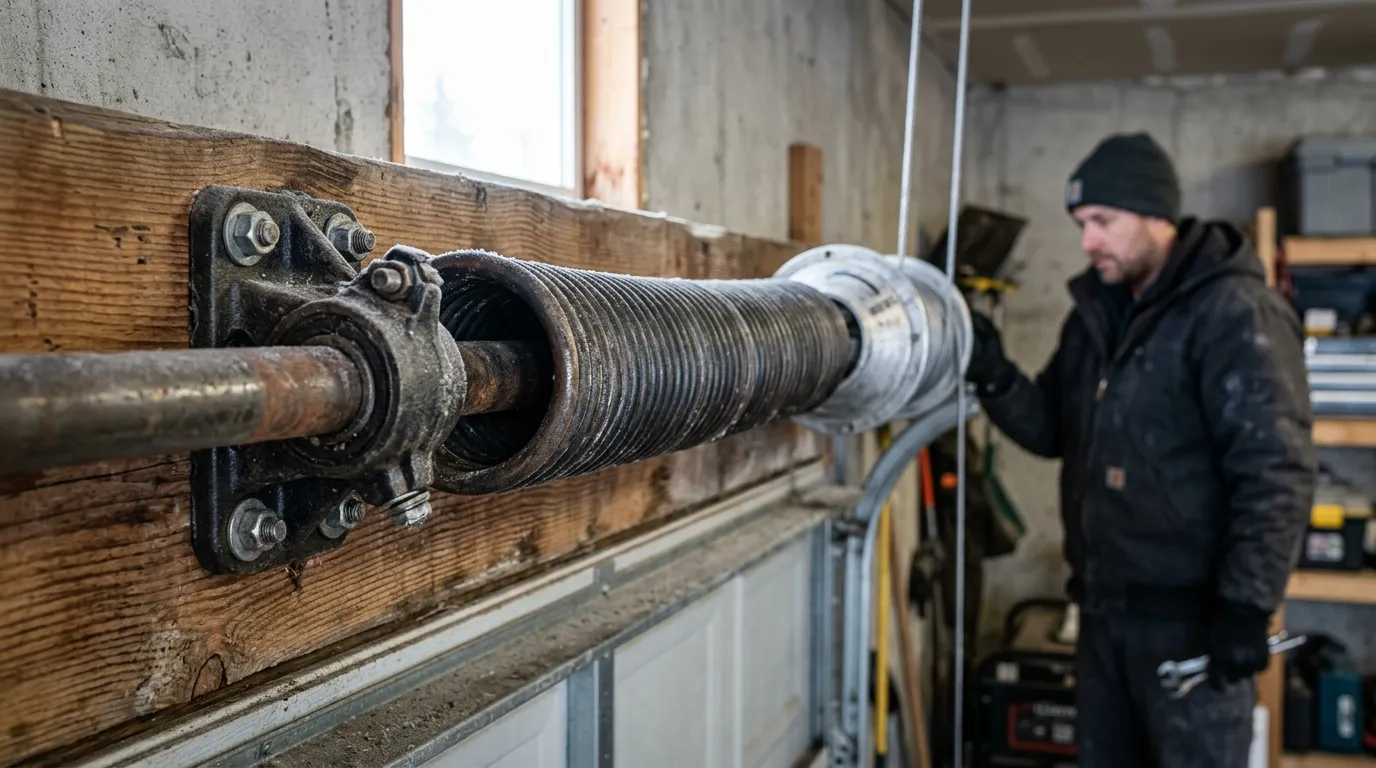
What doing nothing does not mean is ignoring a spring that's starting to show daylight between its coils, or a track that's pulled slightly away from the jamb. Those aren't cosmetic. On a house from this era, the hardware is often original or one replacement removed from original, and once a torsion spring starts to sag it doesn't recover - it's on a countdown. Waiting on that isn't patience, it's just delay with a worse ending. The honest line is: cosmetic wear, wait. Structural wear, don't.
The area
When to Get Help
Call when the door reverses on its own partway down, when the opener strains audibly on a track that used to run quiet, or when one side of the door drops faster than the other on the way up. That last one especially - an uneven lift almost always means one spring is doing the work of two, and on the older torsion setups still common on 1980s-built houses in this area, that's a spring near the end of its life, not a lube job.
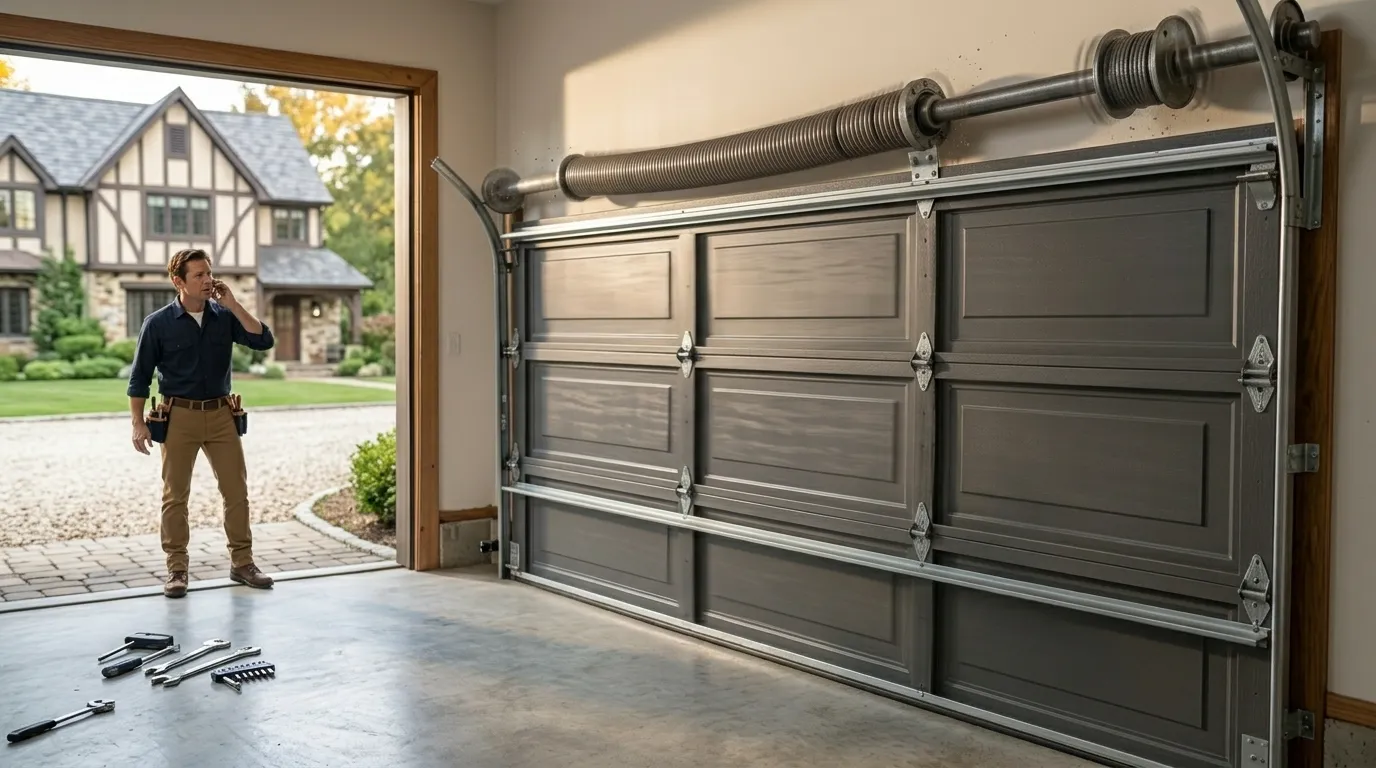
With median household income here well above the regional norm, a lot of owners default to replacing rather than nursing a door along, and that's a reasonable call once a repair starts looking like the second or third one on the same part. But there's a limit to what's worth doing over the phone or guessing at: a spring under tension is not a homeowner repair, full stop. That's the one thing we'll say plainly - if it involves the torsion spring, don't open the door further, don't cut the cable, just stop and make the call.
What we find
The Problem
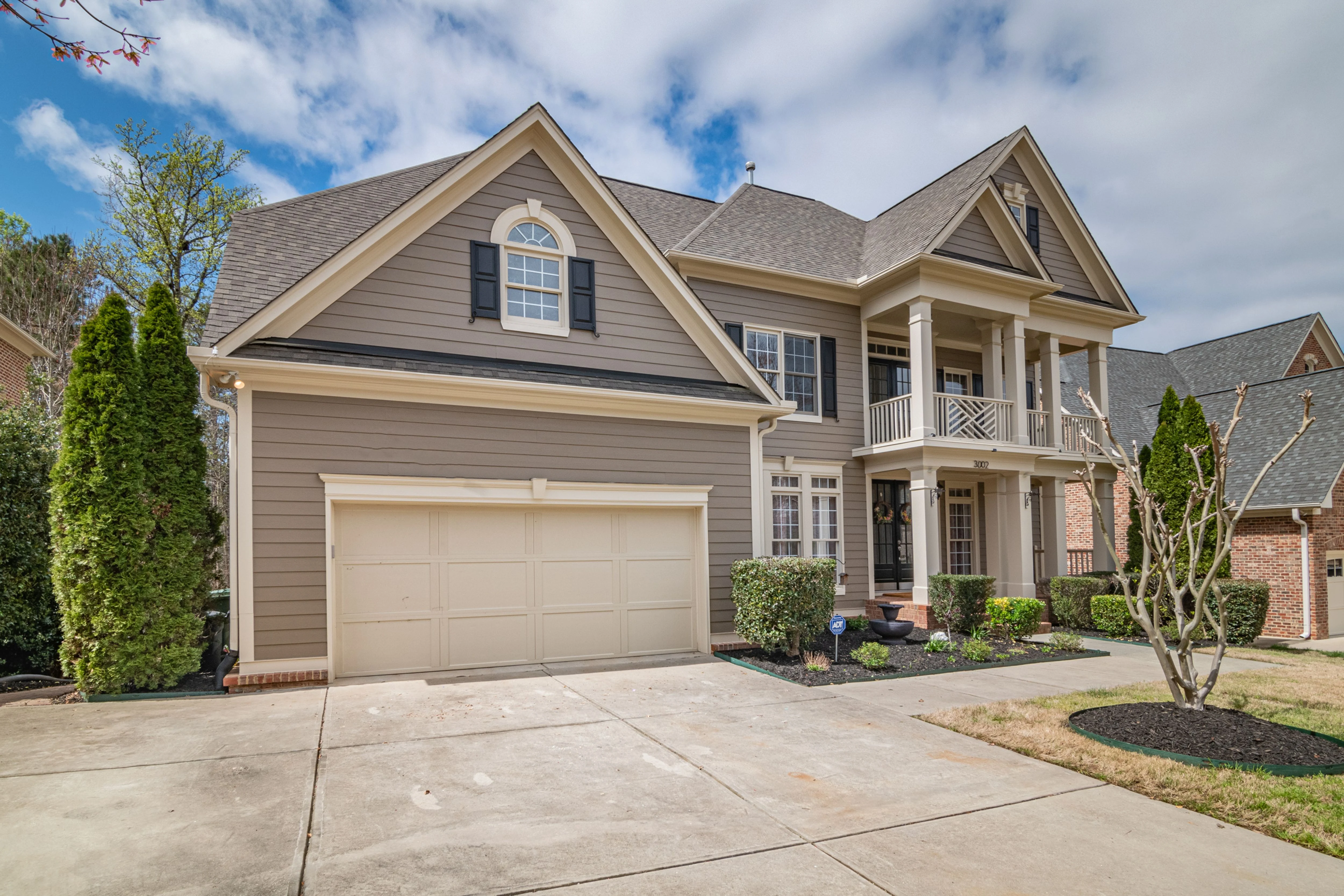
The service area runs from houses built in 1938 through ones finished as recently as 2005, but the bulk of the stock - the 28 named neighborhoods we cover, from Denver Tech Center out to University Park - clusters in that 1980s-to-90s window. That matters for one specific reason: garage door insulation and weatherstripping standards moved on since then, but the doors themselves, in a lot of cases, didn't. A door installed during that build boom was engineered for a different, milder set of expectations about sealing and thermal performance than what gets installed new today.
The result is a door that still functions - opens, closes, holds - but loses more heat through the panel and around the perimeter than a homeowner might expect, especially compared to a door installed in the last decade. It's not a defect. It's just the door doing what it was built to do, in a house built when that was normal. The problem shows up as a garage that runs colder than it should, or an opener working harder in winter than its rated cycle count assumes.
How we work
What the Weather Here Does to It
This area sits in a cold-severe climate band, and that's the variable that turns an aging 1980s door from a mild inefficiency into an actual mechanical problem. Cold tightens steel. It stiffens the lubricant in rollers and hinges, shrinks the rubber bottom seal until it stops making full contact with the slab, and adds load to a spring that's already carrying decades of cycles. On a door built during the era most common in this area, none of that was accounted for with modern weatherstripping or spring-cycle ratings.
What you actually see: a door that's noticeably harder to lift by hand on the coldest mornings, a bottom seal with a visible gap letting in a draft along the slab, or an opener that starts working through more of its rated life than a newer unit would under the same cold load. None of that means the door is failing today. It means the margin between fine and failing is thinner in winter than it is in July, on a door that was never built with this climate's worst mornings specifically in mind.
Questions
Common questions
Is my garage door old enough that I should just replace it instead of repairing it?
Depends what's wrong. Given how much of the housing stock here dates to the 1980s and 90s, a lot of doors are original or close to it. If the spring, opener, and panel are all showing age at once, replacement usually beats stacking repairs. If it's just one worn part on an otherwise sound door, fixing that one part is usually the better call.
Why does my door feel so much heavier to lift in winter?
Cold stiffens the spring's tension and thickens old lubricant in the rollers and hinges, so the counterbalance that normally makes the door feel light doesn't work as well. In this cold-severe climate, that effect is more noticeable than it would be somewhere milder, especially on an older spring that's already lost some tension.
Do I need to worry about insulation on an older door?
If your house was built in the common range for this area - 1980s to 90s - your door was likely built to the insulation standard of that time, which is lower than current expectations. It's not urgent, but it's worth knowing that's why the garage runs colder than a newer build's would.
Ready when you are
Need a garage door sorted in Greenwood Village?
Greenwood Village Garage Door Pros repairs and installs garage doors, springs and openers in Greenwood Village, CO and the surrounding area.