
Guide
Garage Doors and Colorado Winters in Greenwood Village
Most Greenwood Village homes were built in the 1980s and 90s, per Census records, and severe cold winters put real strain on original garage door hardware.
Local detail
Doing Nothing For Now
Most houses in and around Greenwood Village - Denver Tech Center a mile away, University Hills four miles northwest, Cherry Hills Village two miles out - went up between 1938 and 2005, with the bulk of that stock from the 1980s and 90s. If your door is quiet, closes flush, and the opener catches on the first try, you don't need to call anyone yet. A track that feels stiff on a cold morning and loosens by afternoon is ordinary thermal contraction in steel, not a failure starting.
A little surface rust on hinges from decades of freeze-thaw cycling is cosmetic until it isn't - wipe it, oil the hinge pin, move on. Owners of the roughly 33,238 owner-occupied houses across this service area are, more often than not, living with whatever hardware came with the house, and most of that hardware is still doing its job fine.
Here's the honest limit: we can't tell you over the phone whether a noise is nothing or a spring three cycles from letting go. That's a five-minute look in person, not something we diagnose by ear, and we won't pretend otherwise.
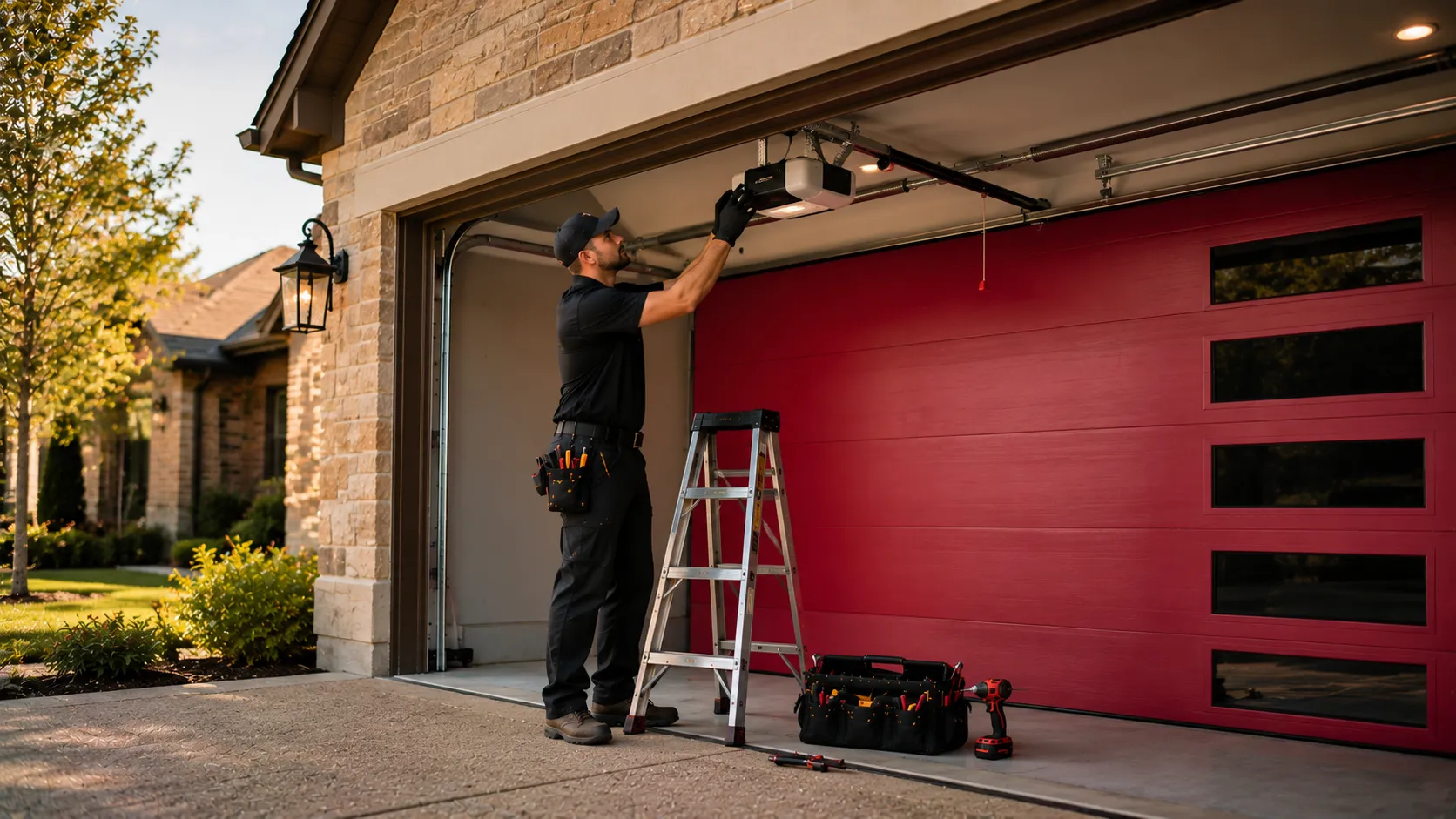
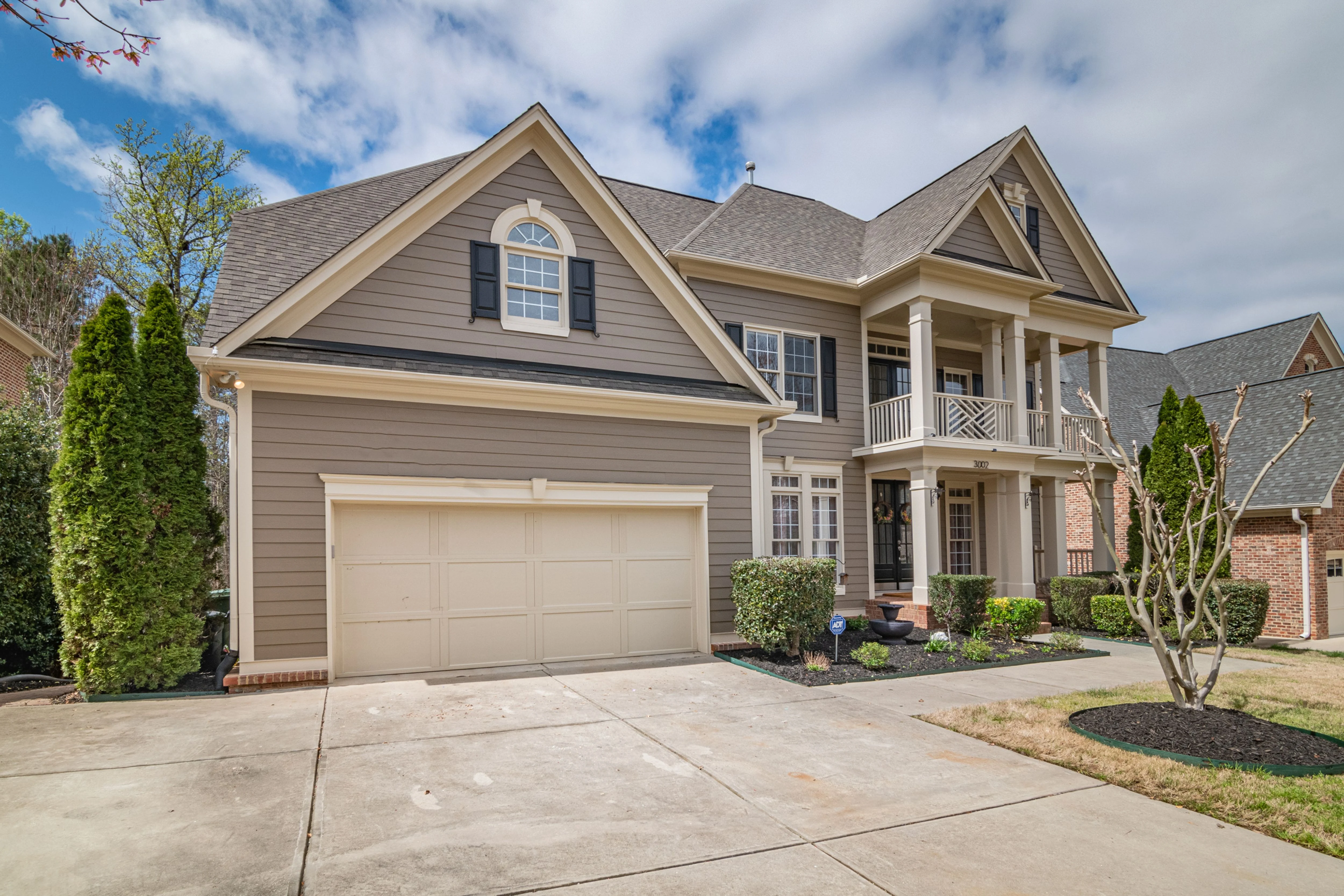
The area
When to Get Help
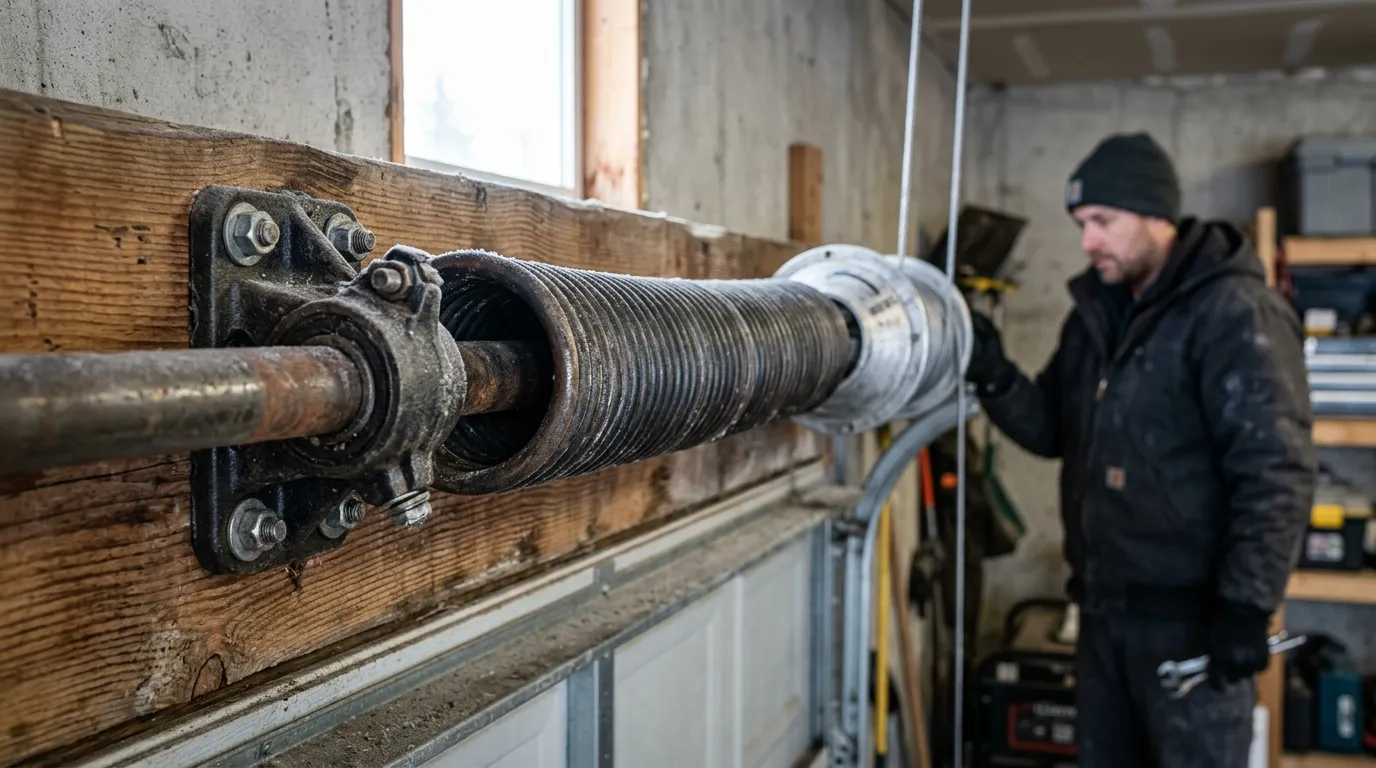
A torsion spring is rated for a set number of open-close cycles, and on a house from the median build year of 1980, that spring has either been replaced once already or is well past due. If nobody's touched it since the house was built, treat it as living on borrowed time - especially heading into a hard freeze, because cold steel doesn't bend before it breaks, it just breaks.
Call now, not later, if you hear a loud bang from the garage (that's usually the spring letting go), if the door drifts down on its own after you stop it partway, or if one side visibly sags lower than the other when it's halfway up. Those are load-bearing failures, not noises to sleep on.
Also get someone out if the opener runs but the door doesn't move - in this cold band, that's as likely to be a frozen or gummed-up roller track as it is the opener itself, and running the motor against a stuck door burns out the gears fast.
What we find
The Problem
The housing here spans 1938 to 2005 with a median build year of 1980, which means a lot of doors are still riding on the torsion hardware and rail systems that were standard three or four decades ago - sized for the wind and insulation codes of that era, not today's. Across the roughly 60,666 households in the service area, most of that original gear was never engineered for the swing between a sunny 60-degree afternoon and a hard overnight freeze that this part of Colorado gets.
With median household income here at $138,303, most owners can afford to replace rather than patch, and for doors built to 1980s spec that's often the right call - a full torsion and track upgrade rated for current wind and cold-load standards, instead of chasing individual part failures on a 40-year-old system one at a time. Patching an old system piece by piece usually costs more over five years than replacing it once.
How we work
What the Weather Here Does to It
This area sits in a climate band we'd call cold and severe, and that shows up in the garage before it shows up anywhere else in the house. Steel springs and cables contract in the cold, which raises tension on hardware that was already fatigued from thirty-plus years of cycling. Lubricant thickens, rollers bind in the track, and a spring that was fine in September lets go on the first hard freeze of the season.
The worse combination is what a real cold snap does to openers and power cuts together - a storm severe enough to drop temperatures fast is often the same storm that trips the power, and a door that's stuck closed with no spring tension and no electricity is a door you're opening by hand, in the cold, in the dark. Keep the manual release cord accessible; that's not optional gear in this climate, it's the difference between getting the car out and not.
Questions
Common questions
How old does a garage door spring have to be before I should worry, in this climate?
If it hasn't been replaced and the house dates to the 1980s or earlier - common across this area - assume it's near or past its rated cycle life. Cold makes a tired spring fail suddenly rather than gradually, so don't wait for warning signs before a hard freeze.
Why does my opener seem to struggle more in January than in July?
Cold steel contracts and lubricant thickens, so the door itself is harder to move, and older opener motors weren't built to push against that extra resistance for decades straight. It's often the door fighting the opener, not the opener failing on its own.
Is it worth repairing an original 1980s door or replacing it?
Depends on what's failing. A single roller or cable is worth fixing. If the torsion system, track, and panels are all original and 30-plus years old, repairing one part at a time usually costs more over a few years than one full replacement rated for current cold-load standards.
What should I do if the power goes out during a winter storm and I need the car out?
Use the manual release cord to disengage the opener, then lift the door by hand - it should move if the springs are healthy. If it's heavy or won't budge, don't force it; that usually means a spring problem that a power outage just exposed.
Ready when you are
Need a garage door sorted in Greenwood Village?
Greenwood Village Garage Door Pros repairs and installs garage doors, springs and openers in Greenwood Village, CO and the surrounding area.