Climate-rated spring stock
We stock standard torsion springs rated for insulated steel doors in the weights this climate calls for, along with the usual track, roller, and cable hardware that goes with any new install.
Applewood, Greenwood Village
Most Applewood garages date to 1970 - original hardware, narrow tracks, and openers that predate current code. Here's what a new install actually involves out here.
Warning signs
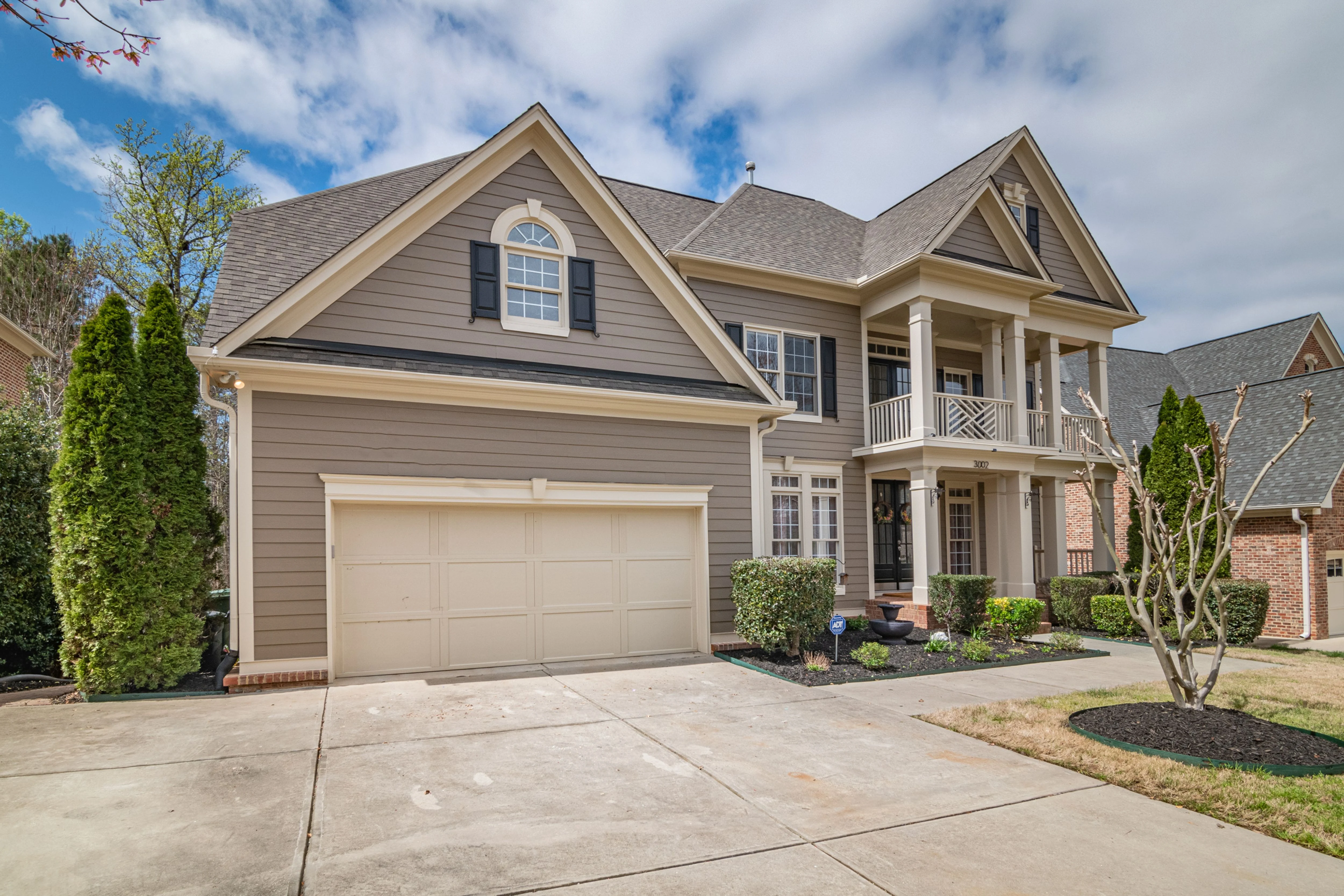
Applewood's houses mostly went up around 1970, and a lot of that original garage hardware has never been touched. That means single-piece steel doors with hinges that were never meant to hold a modern insulated panel, tracks bent from decades of a spring doing more work than it should, and openers - if they were ever added at all - bolted onto framing that predates the current code for header clearance.
When a homeowner here calls about a new install, it's rarely because the door failed outright. More often it's a spring that finally let go on original hardware, or a remodel that exposed just how out of square the frame has gotten after fifty-plus years of settling. Some of what we find on the first visit isn't really a garage door problem - it's a framing problem the door has been hiding.
Because Applewood's stock skews a full decade older than the service area's overall median build year of 1980, we see more of these all-original setups here than in some of the newer pockets we cover. That's the starting point for almost every quote we write in this neighborhood.
Our process
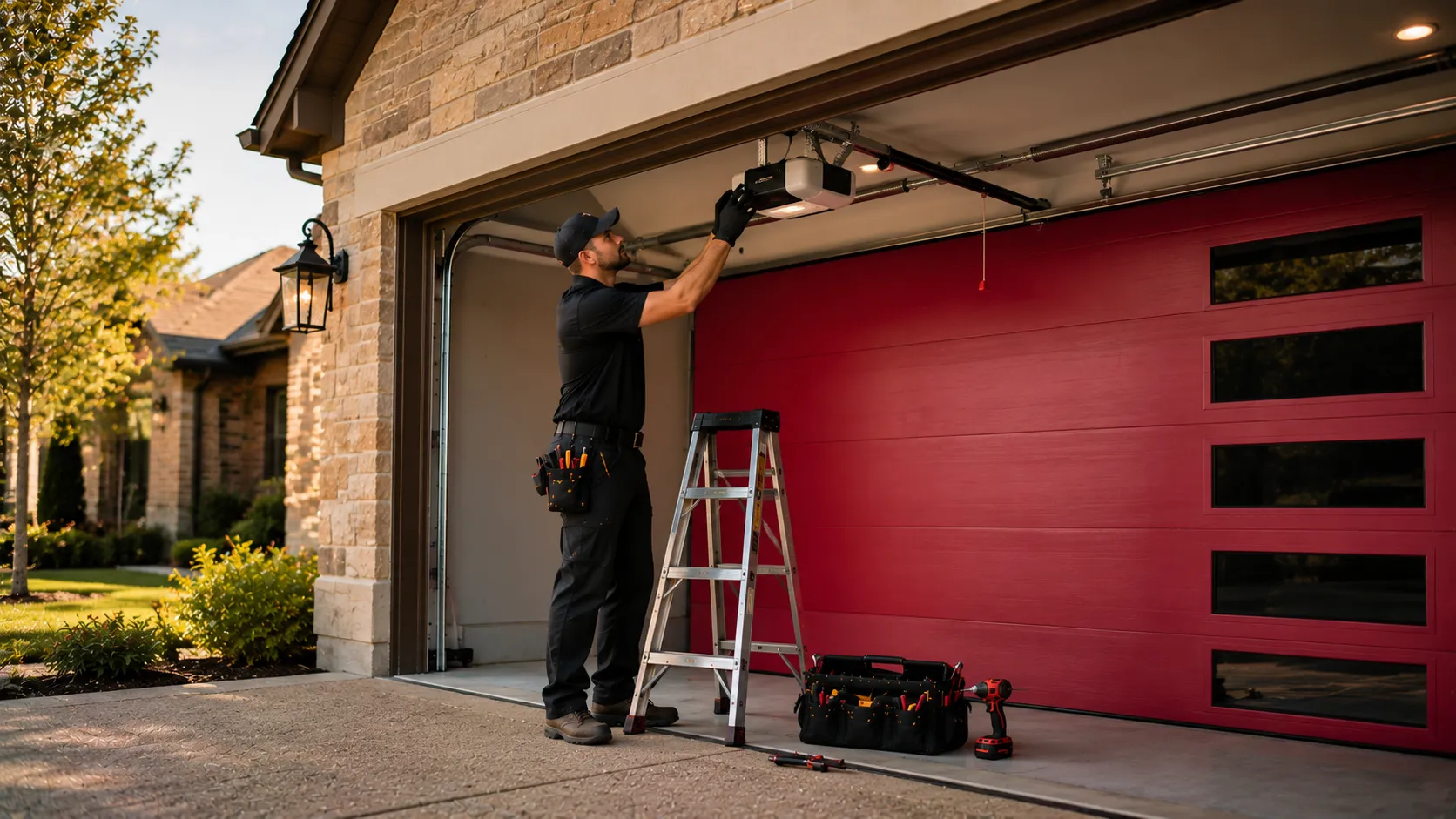
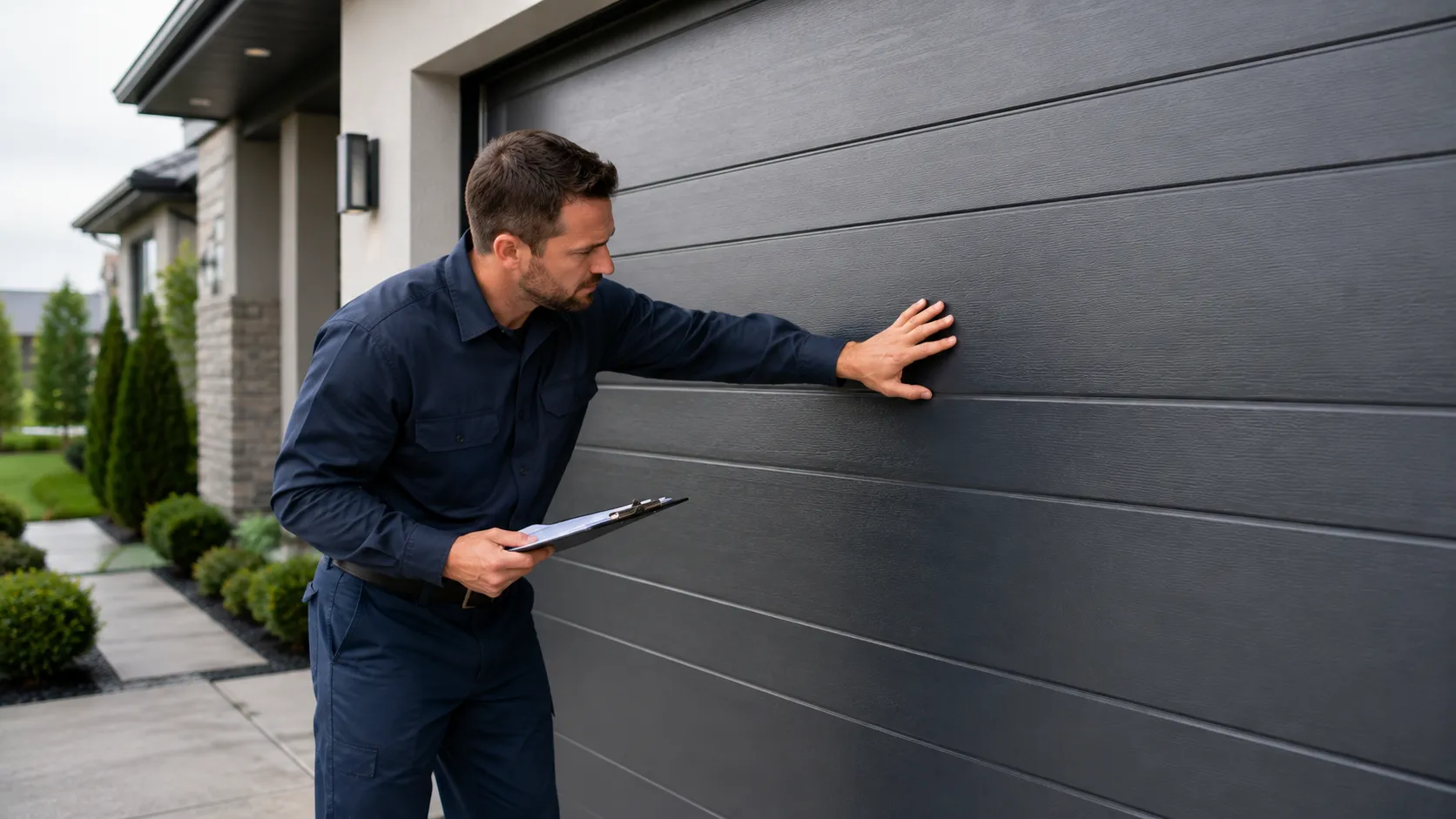
A new install here starts with the opening itself, not the door. On a house this age, we check the header, the jambs, and the slab pitch before we talk panel material - because if the frame's out of square, a new door will bind against it in a year regardless of what it's made of.
Once the opening checks out, we size the door to the actual rough opening rather than assuming it matches a modern standard - 1970s framing often runs a couple inches off from what current doors are built for, so we either shim the frame or order a custom width.
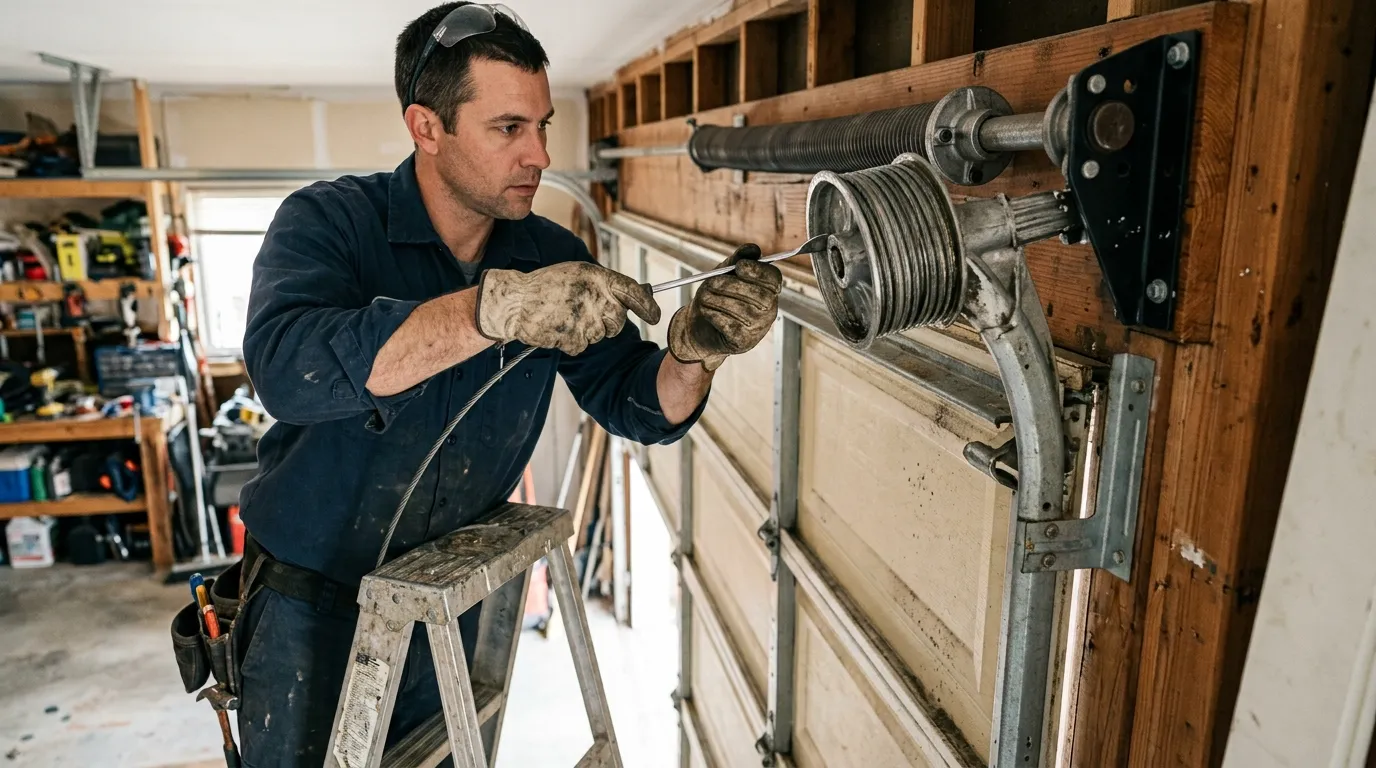
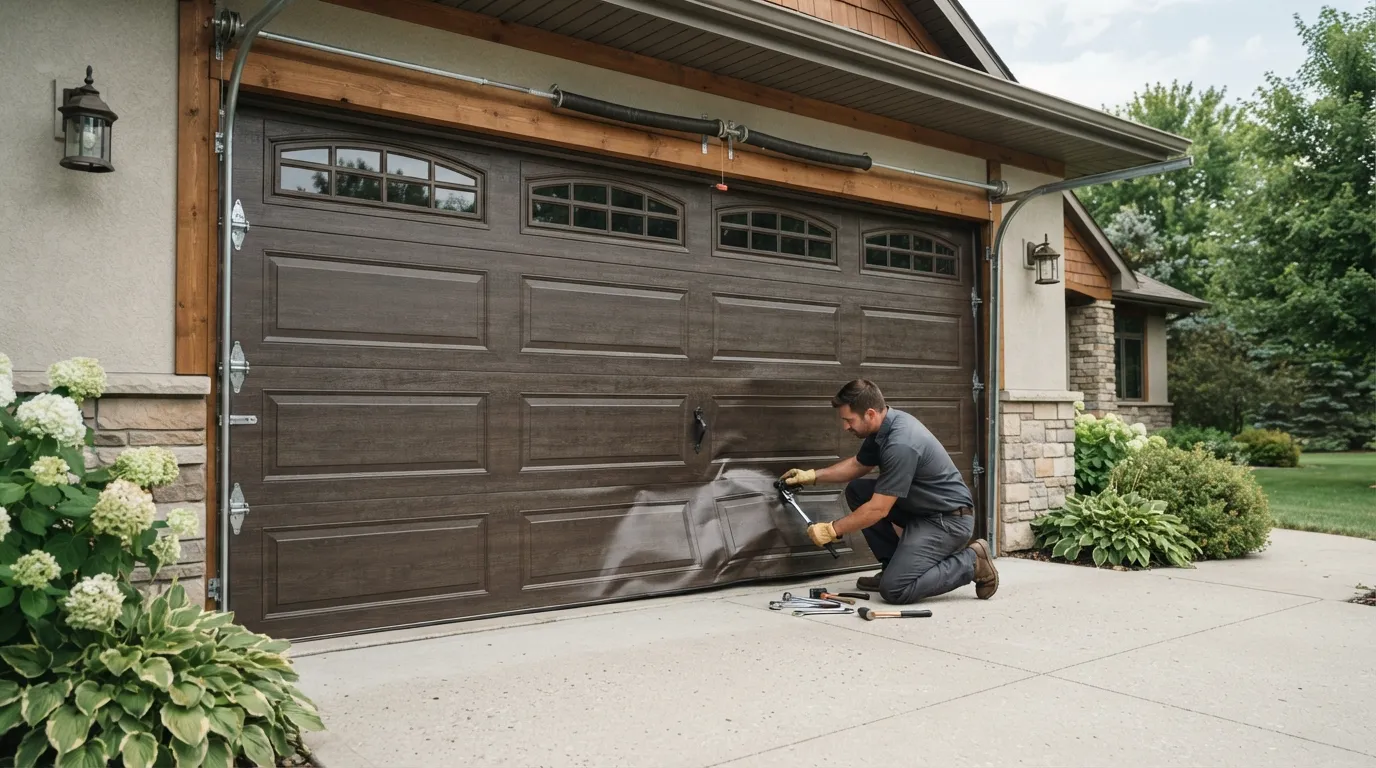
Springs get sized to the new door's actual weight, not carried over from the old setup, since a heavier insulated panel on an old spring rate is how you get a door that slams down.
We finish with a full run-through: opener travel limits, safety reversal, and the lock-out if the homeowner still uses one. None of this is exotic work. It's just work that has to be done in the right order on a house this age, or the new door inherits the same problems the old one had.
Local causes
Denver's front range sits in a cold climate band, and that matters more on older Applewood doors than newer ones. A 1970-era single-layer steel door has almost no insulation value, so in a hard freeze the panel itself contracts, the seal at the bottom gaps, and the extra load on the opener motor to break a cold-stiffened spring shortens its life.
With roughly 3,424 households in Applewood, a good share of the neighborhood went up in the same few years off the same builder plans, which means a lot of these houses share the exact same hardware failure points at the exact same age. When one door on a block starts showing a slow roller or a sagging track, it's a decent bet the house two doors down isn't far behind.
The fix isn't dramatic - it's picking a door and spring rate built for a cold climate rather than a mild one, and not assuming a fifty-year-old opening was built to today's tolerances.
On the truck
For a new install we're not matching old parts - everything on the door is new. Where the history of the house matters is the opening itself: on 1970s Applewood framing we often need shims, a new bottom bracket set sized for the actual slab pitch, and occasionally a wider header pad if the original opening was framed narrow.
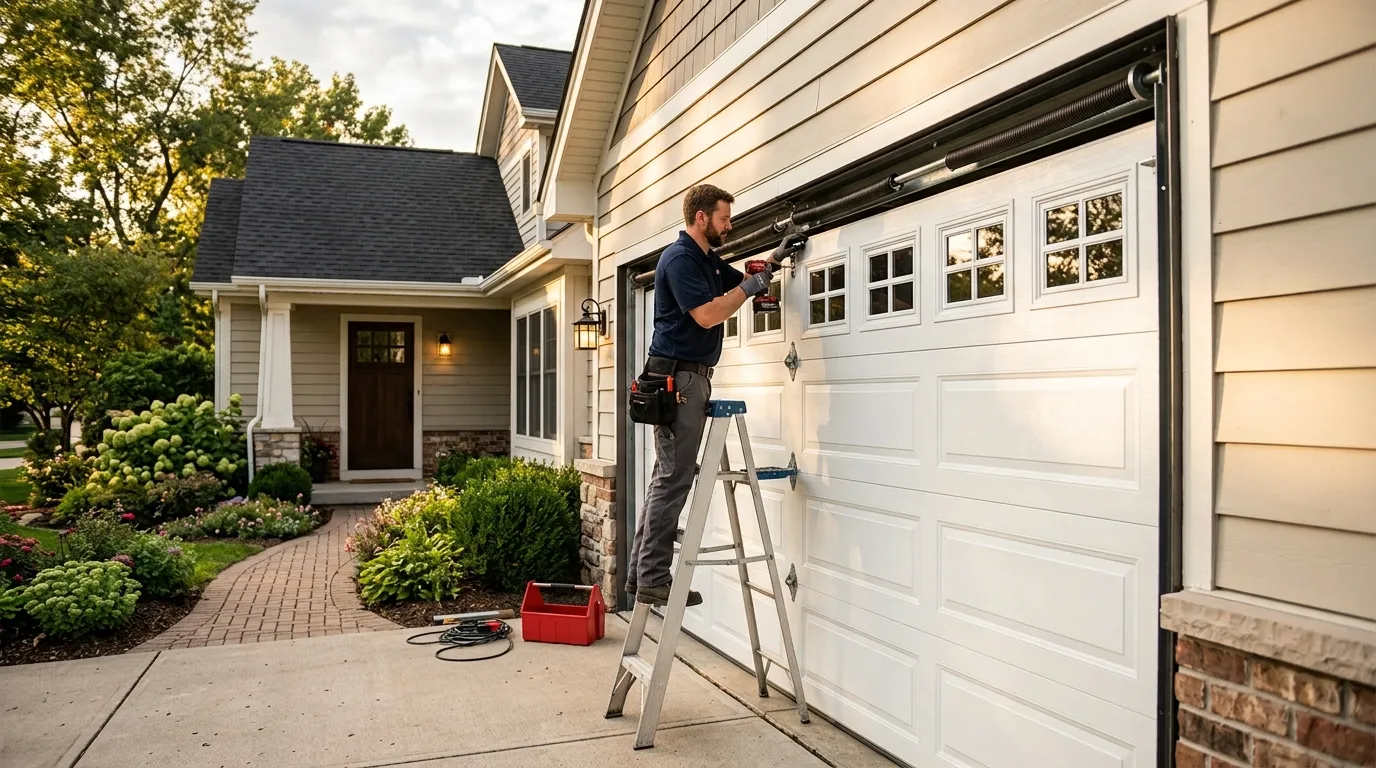
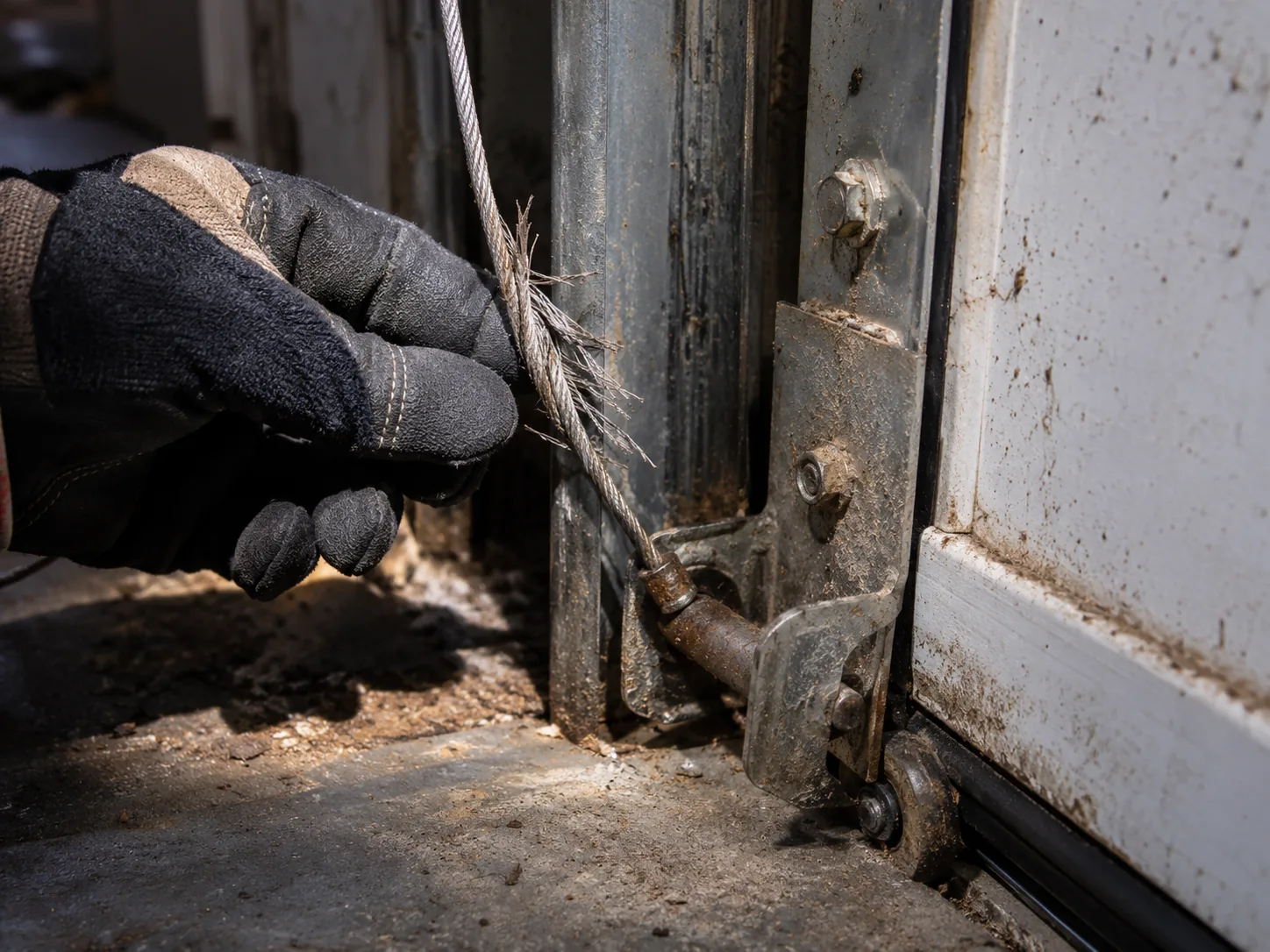
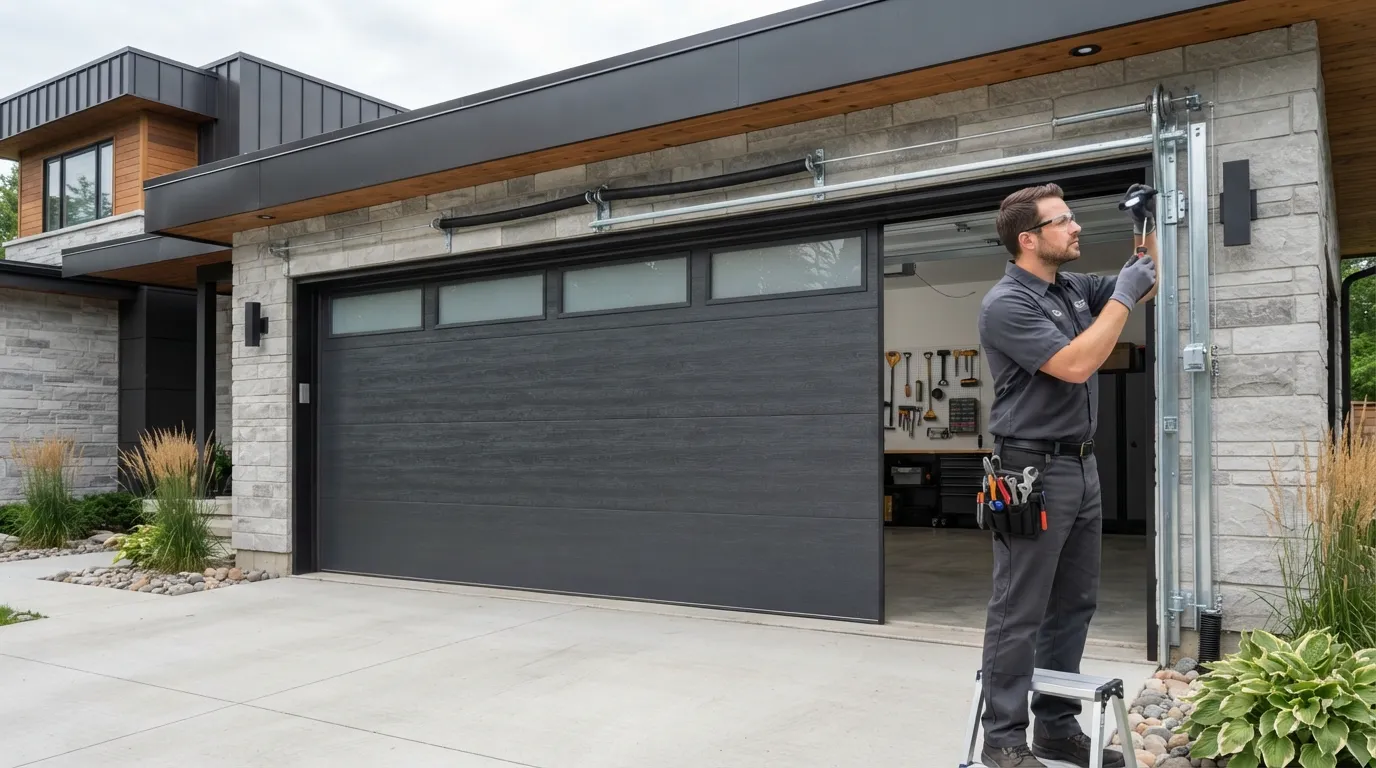
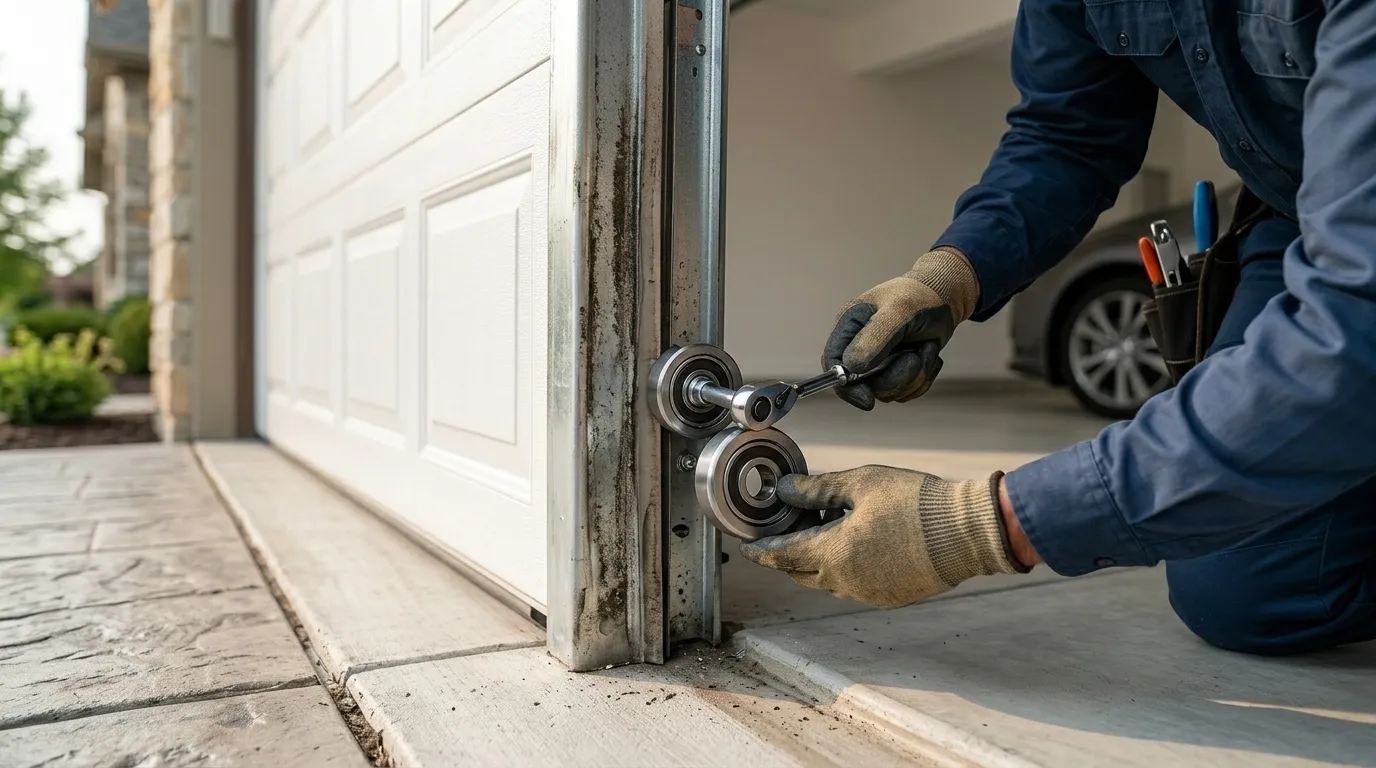
We stock standard torsion springs rated for insulated steel doors in the weights this climate calls for, along with the usual track, roller, and cable hardware that goes with any new install.
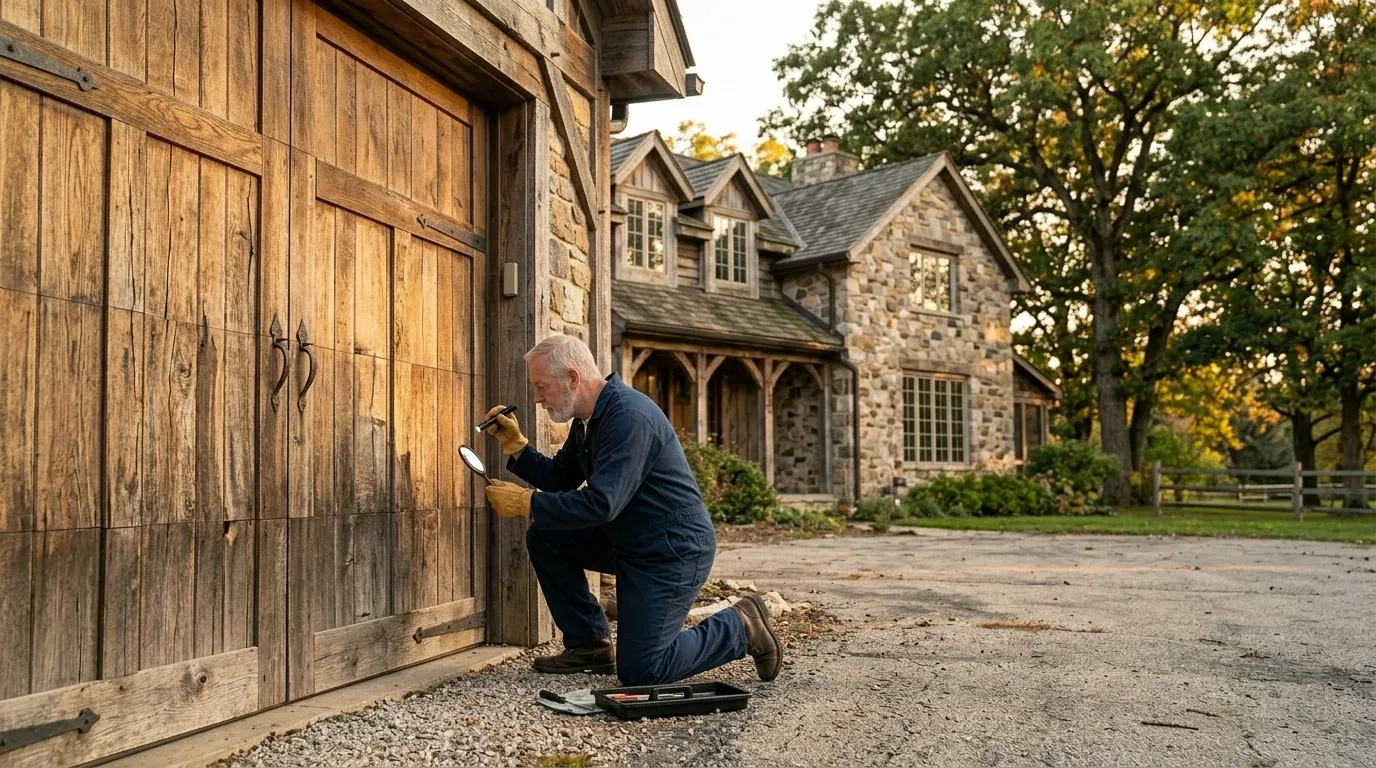
What we don't stock is anything specific to a discontinued door brand from the 1970s - if a homeowner wants to keep the old door and just replace failed parts on it, that's a different job with a longer parts wait, and we'll say so up front rather than pretend otherwise.
Pricing
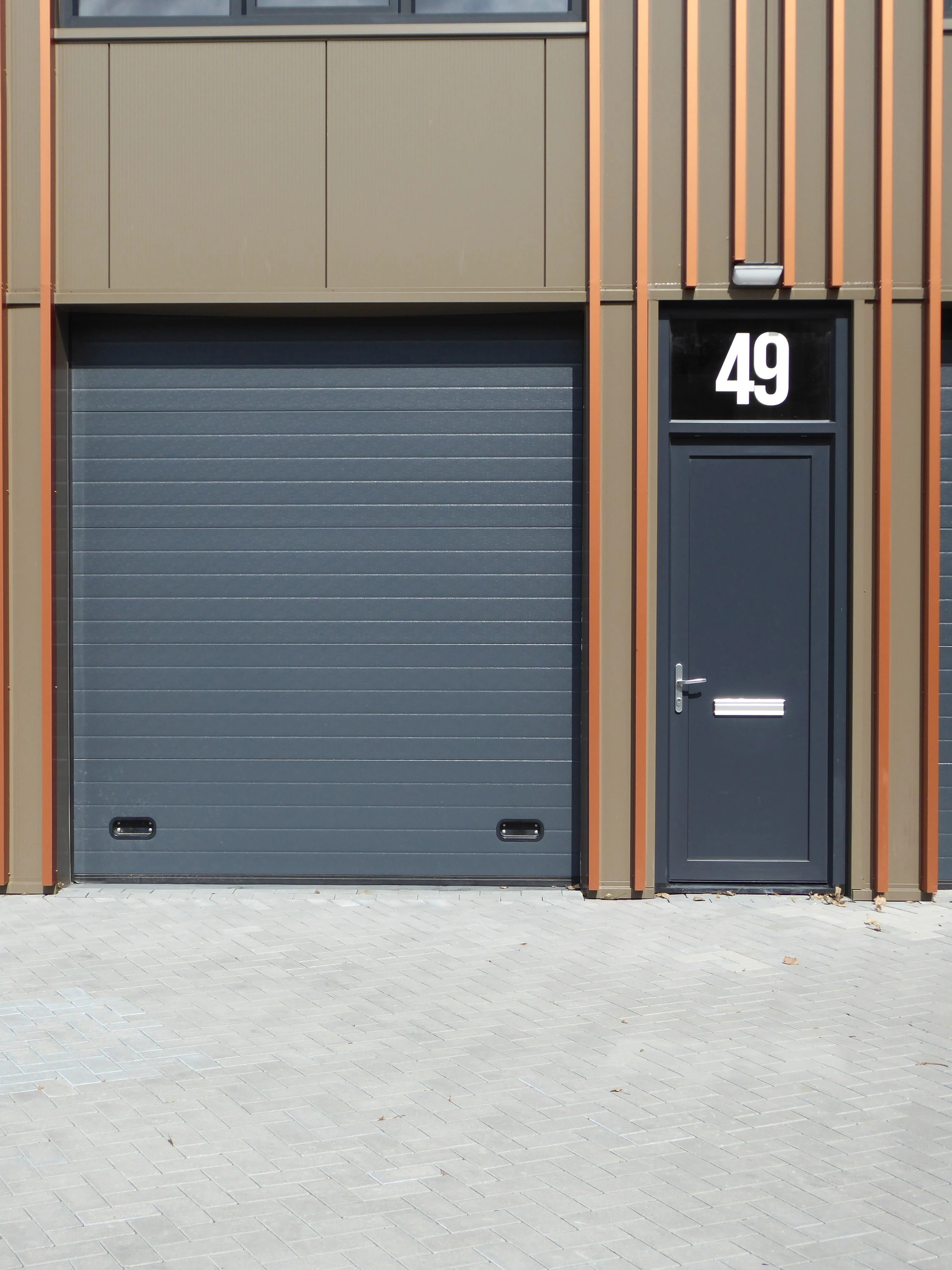
We don't quote a number without seeing the opening, and on a house from 1970 that first look often changes the estimate - a frame that needs shimming or a header that needs reinforcing adds labor before the door itself is even hung. Applewood's median household income runs at $128,988, a bit below the wider service area's $138,303, and that's part of why we walk through door material options rather than defaulting to the top-tier panel on every quote.
The honest version: a straightforward swap on a square opening costs less than a job where we're also correcting fifty years of settling. We won't know which one we're dealing with until we're standing in front of the door.
Watch-outs
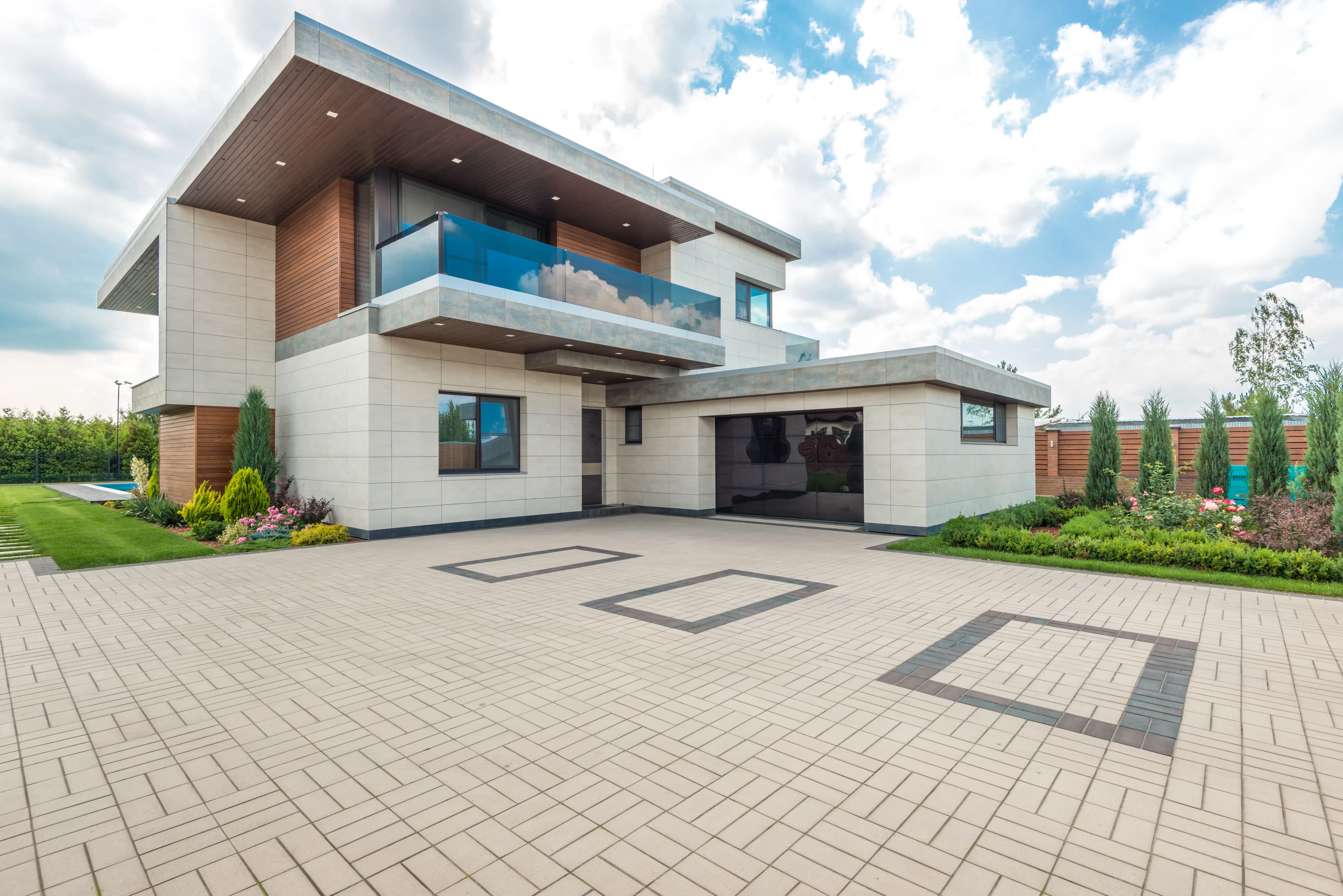
The most common surprise on an Applewood install isn't the door - it's what's behind it. Framing from 1970 sometimes isn't square enough for a modern door's tolerances, and once a slab has settled unevenly, squaring the opening can take longer than hanging the door itself. We've also seen openers added decades after the original build, wired into a circuit that wasn't sized for it, which means an electrician's involved before we can finish.
One limitation worth saying plainly: we travel out from Greenwood Village, seventeen miles away, for every Applewood job. That's not a same-day guarantee on parts we don't already have on the truck - if the opening needs a custom-width door or a part we don't stock, that's a return trip, and we'll tell you that at the estimate, not after we've started.
Questions
It's common in Applewood. If nobody's replaced it, you're likely looking at a single-layer steel door on hardware sized for a lighter panel than what's standard today. We check the spring rate and track condition before quoting a replacement, since original hardware rarely matches a new door's weight.
Not always. Framing from this era sometimes runs a bit narrower or off-square compared to current standard sizes. We measure the actual opening before ordering, and if it needs shimming or a custom width, we say so in the quote rather than after the door shows up.
No - we run out of Greenwood Village, about seventeen miles away. We stock the standard hardware for a new install on the truck, but a part we don't already carry means a second trip, and we'll flag that possibility at the estimate.
Yes. This area sits in a cold climate band, and an insulated door with a spring rated for that load holds up better through winter than a single-layer panel. We size the spring to the door and the climate, not just the opening.
Explore more
Ready when you are
Greenwood Village Garage Door Pros repairs and installs garage doors, springs and openers in Greenwood Village, CO and the surrounding area.