Garage Door Maintenance for Applewood's 1970-Era Doors in Greenwood Village

Applewood, Greenwood Village

Garage Door Maintenance for Applewood's 1970-Era Doors

Applewood homes went up around 1970, mostly with chain-drive openers and steel doors on torsion springs. We service that hardware from our Greenwood Village shop, 17 miles out.

24/7 emergency serviceInsured professionalsTransparent pricingHighly rated locally

Warning signs

How It Shows Up

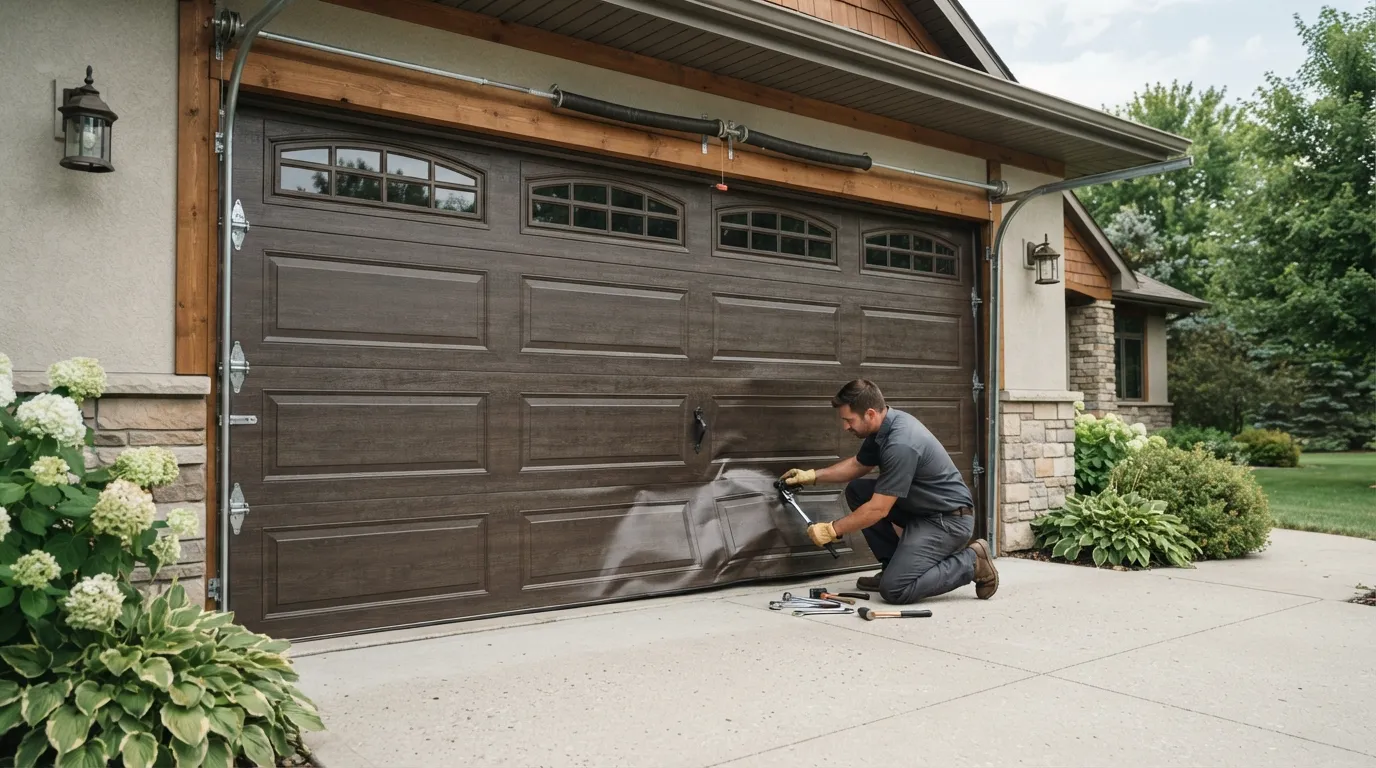
Applewood's housing stock centers on 1970, which means most garages here were built with steel sectional doors, chain-drive openers, and torsion spring setups that were becoming standard equipment right around that time.

Half-century wear patterns

Fifty-plus years on, the symptoms are predictable: chain drives that have stretched and started slapping the rail, rollers that have worn oval instead of round, and torsion springs that are past their duty cycle even if nobody's touched them since installation.

Audible decline indicators

You'll hear it before you see it - a grinding chain, a door that shudders on the way down, an opener motor that runs longer than it used to before the door actually moves. None of that is dramatic on its own. It's just fifty years of steel and coiled wire doing exactly what steel and coiled wire do, which is fatigue.

Original-era duty cycle limits

The houses in this part of the service area weren't put up with maintenance-free hardware in mind - torsion springs from that era typically weren't rated for the cycle counts we expect from a door today, and nobody was thinking about that when the subdivision went in.

Our process

How We Fix It

We come out from Greenwood Village - Applewood is about 17 miles from our shop, so we plan the visit rather than treat it as a same-day walk-in.

  1. Pre-digital mechanical focus

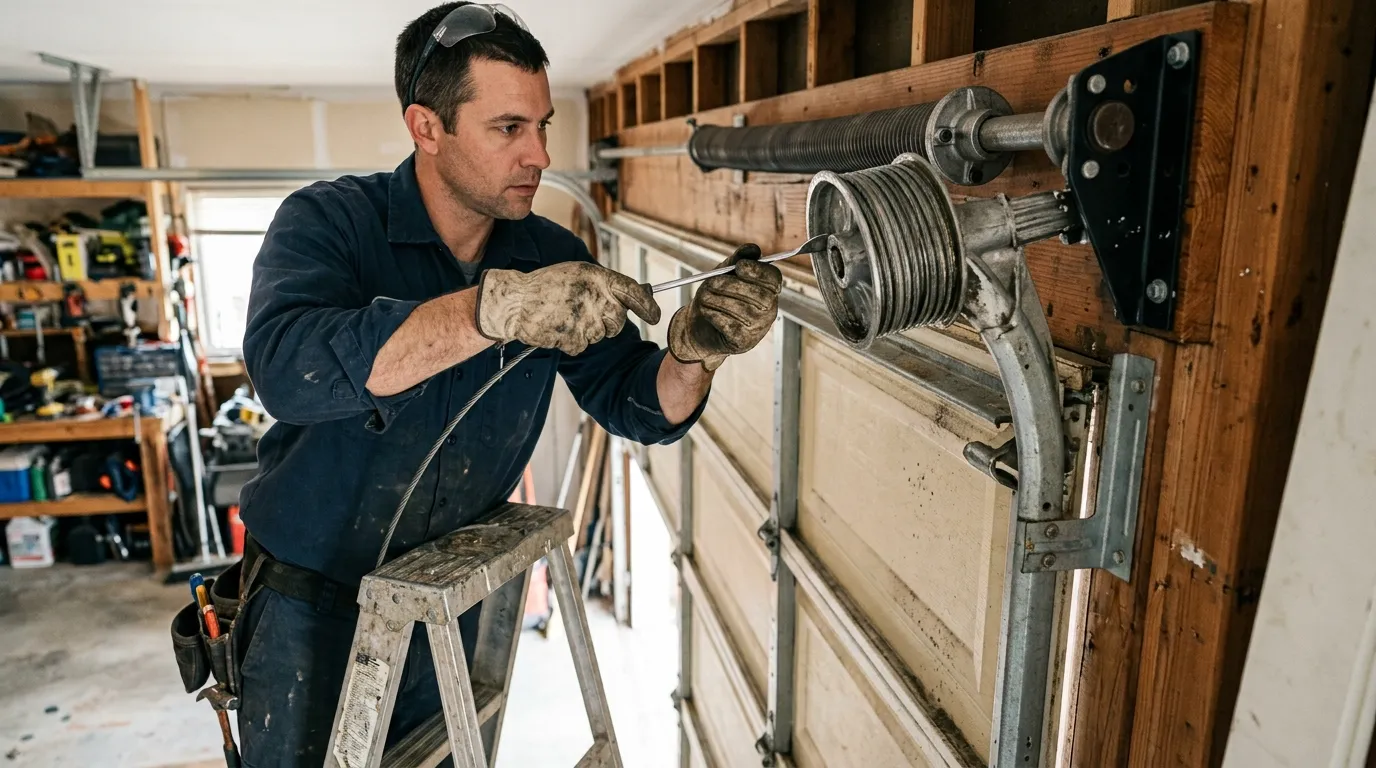
    Once we're on site, the work on a 1970-era door is mechanical, not electronic: check spring wind and tension against the door's actual weight, not a factory sticker that may not match what's hanging there anymore, then move to the chain drive - tension, sprocket wear, rail alignment.

  2. Thorough roller inspection

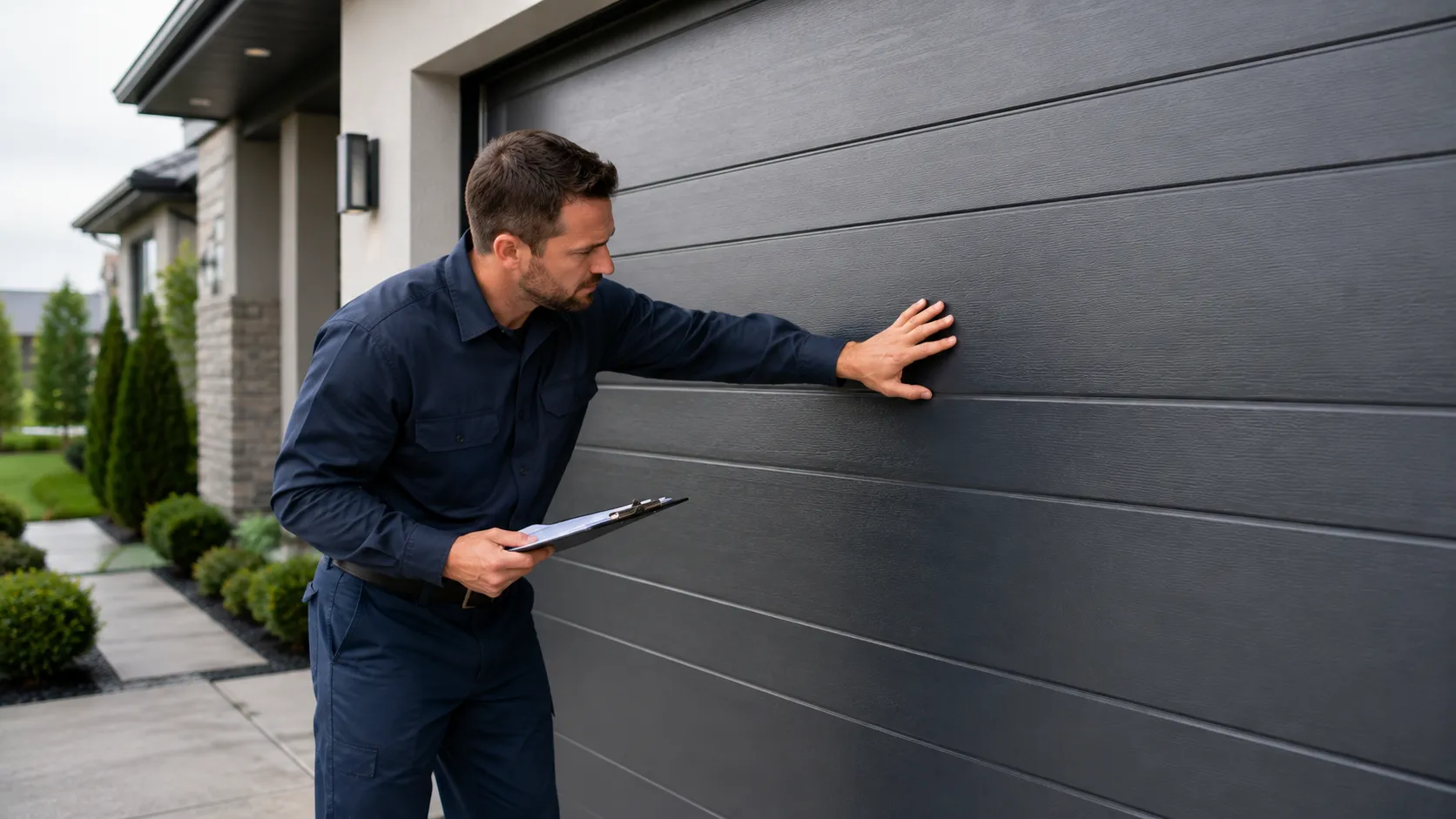
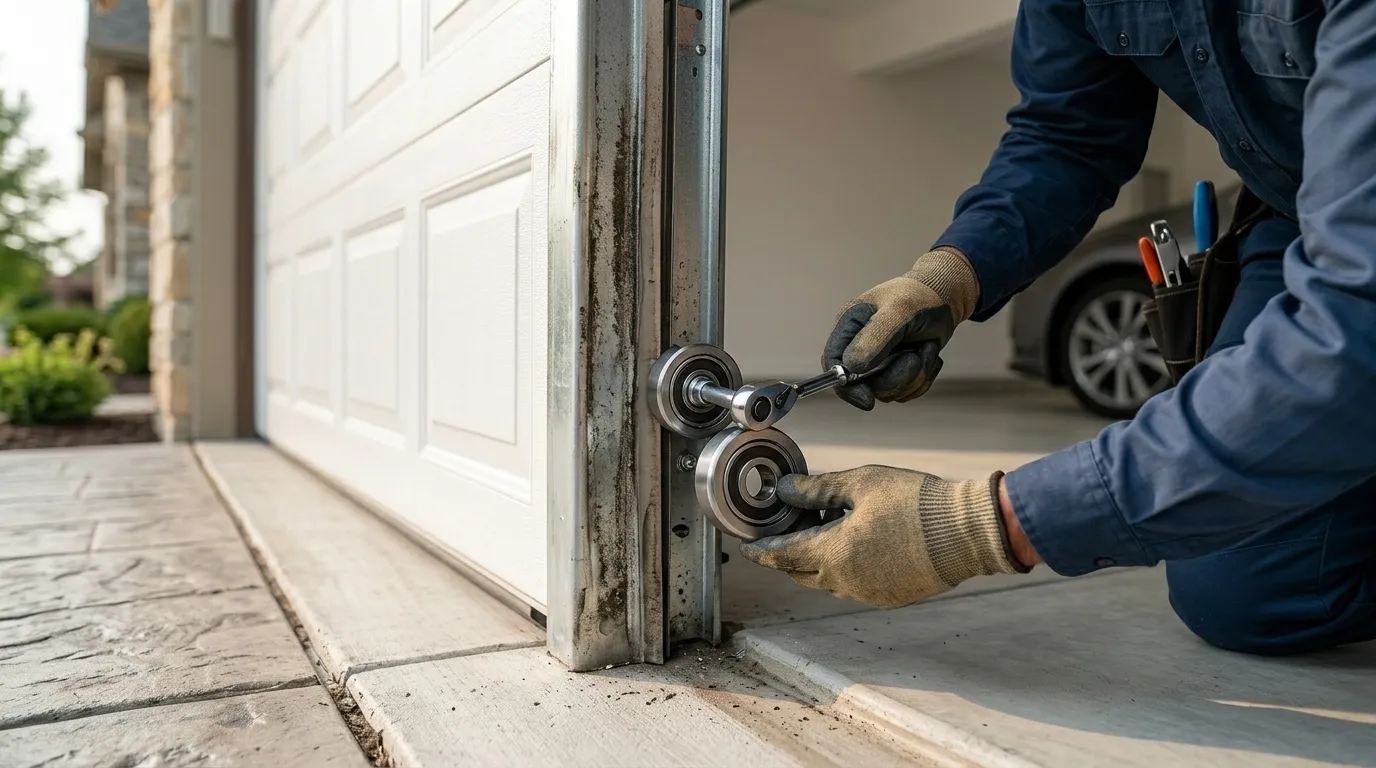
    We pull and inspect rollers rather than just eyeballing them, because a roller that looks fine from three feet away is often the one about to seize. Track alignment gets checked with a level, not a glance, since fifty years of settling can shift a garage's framing enough to throw a track out of square in ways that aren't obvious until the door starts binding.

  3. Complete service checklist

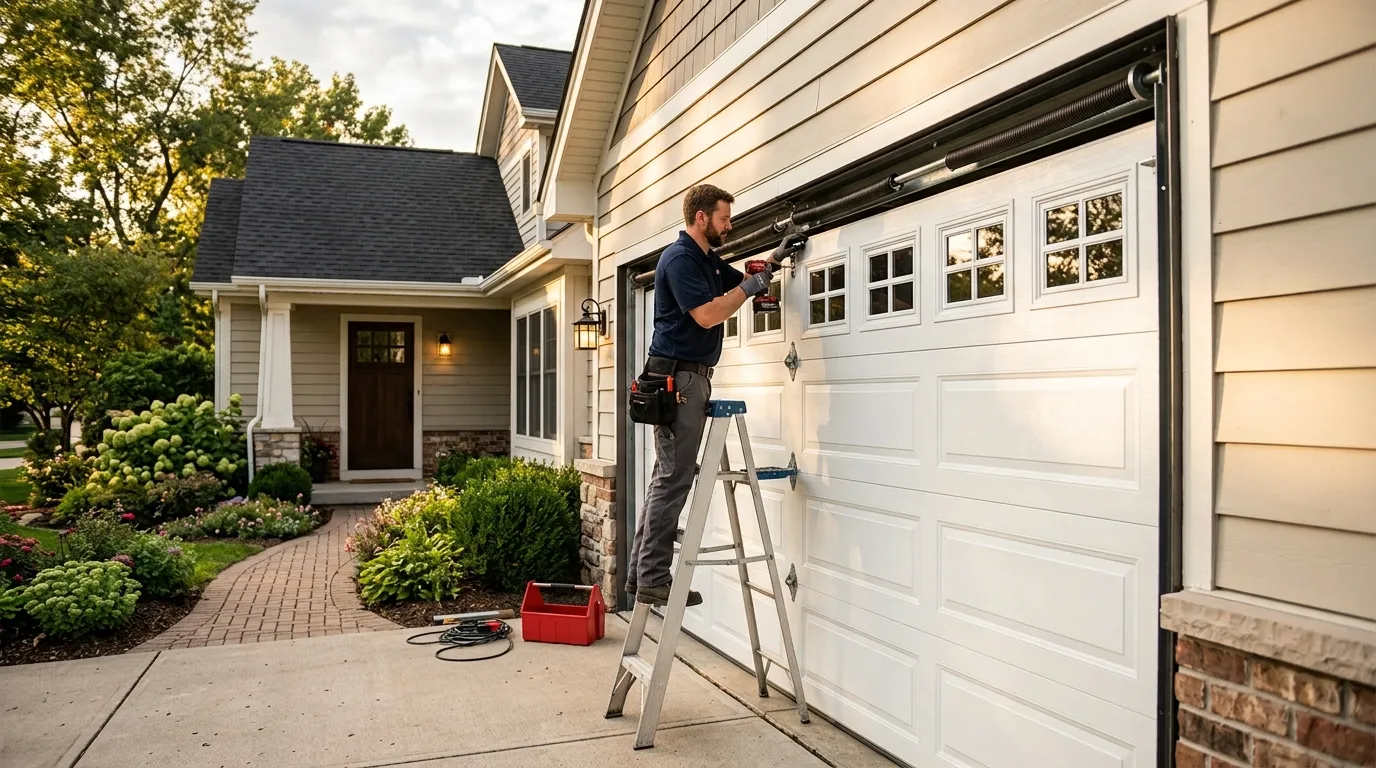
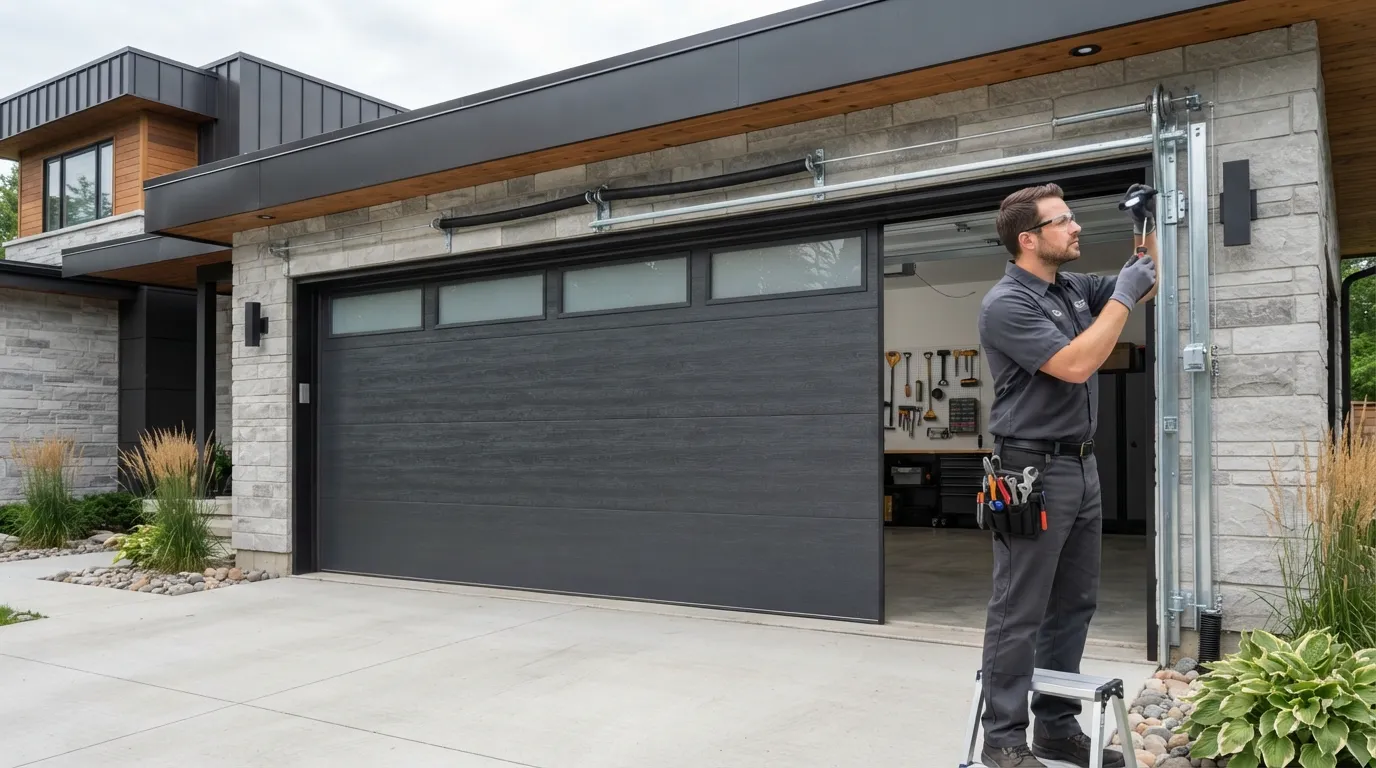
    We tighten hardware, lubricate the moving parts that are supposed to be lubricated and leave alone the ones that aren't, and test the door through a full cycle before we call it done.

Local causes

Why It Happens Here

Cold winters put a specific kind of stress on older torsion springs and chain-drive openers: steel contracts, lubricant thickens, and a spring that was already near the end of its rated cycle count loses tension faster in hard cold than it would in a mild climate. Applewood sits in the same severe cold band as the rest of the service area, so a door that's been fine for years can start acting up the first genuinely cold week of the season - not because anything failed suddenly, but because cold exposed wear that was already there. Add to that a build year of 1970 and you've got hardware that was never designed around today's cycle expectations, installed in a climate that's hard on steel and lubricant both. That combination - old hardware, cold winters - is why Applewood's service calls tend to cluster around the first cold snap rather than spreading evenly through the year.
Why It Happens Here

On the truck

Parts We Carry

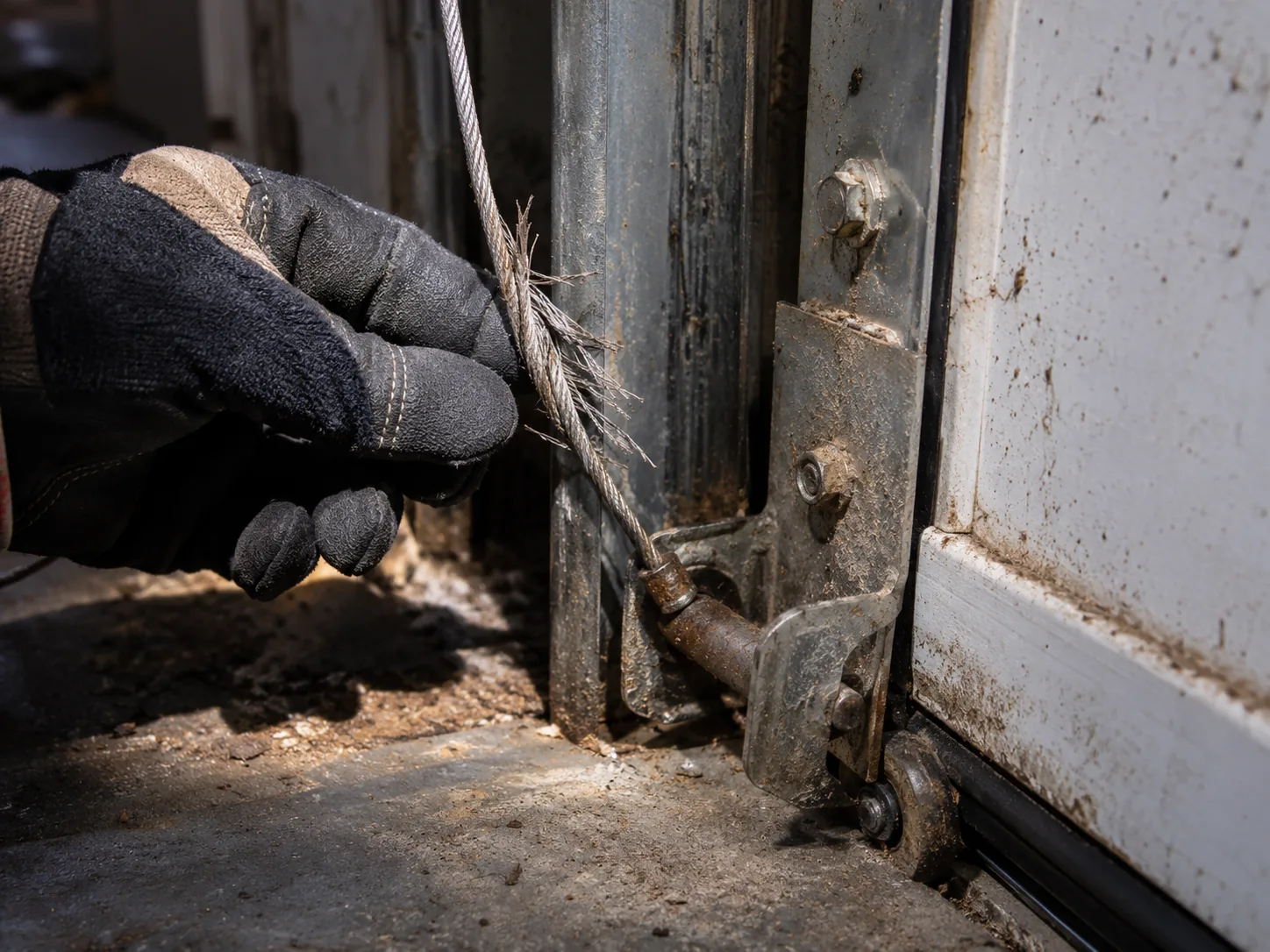
For doors from this era we carry standard torsion springs sized to common residential door weights, steel rollers, chain-drive sprockets and chain sections, and cables sized for older sectional doors.

Discontinued panel designs

What we don't always have on the truck is a match for a discontinued panel design or an opener model that stopped being made decades ago - if a door has an odd panel profile from that period, we may need to order it, and that's a lead time we're upfront about before we start.

Honest part availability

We're not going to promise a same-visit fix on a part we don't stock, because pretending otherwise wastes your time and ours.

What It Costs

Pricing

What It Costs

We don't have Applewood-specific pricing to publish here, and the honest answer is that cost depends on what's actually worn versus what's just old. A chain adjustment and lubrication visit costs a lot less than a spring replacement, and a spring replacement costs less than replacing rollers, cables, and a chain drive all at once because one job uncovered the others. Given the median household income in this part of the service area runs a bit under the area average, we try to be clear up front about what's actually needed versus what can wait another season, rather than replacing everything on the truck just because it's there.

Where This Job Goes Sideways

Watch-outs

Where This Job Goes Sideways

The job goes sideways when a torsion spring that's been slowly losing tension for years finally lets go while someone's hand is near the door - that's the reason we check spring condition even on a visit that was booked for something else entirely, like a noisy chain. It also goes sideways when a homeowner tries to adjust spring tension themselves on a door this old, because a spring holding back a door's full weight under partial fatigue doesn't behave predictably.

Ready when you are

Need a garage door sorted in Greenwood Village?

Greenwood Village Garage Door Pros repairs and installs garage doors, springs and openers in Greenwood Village, CO and the surrounding area.

Call Now(720) 738-8062